NEW
Jaime Uria-Diez: “The best technology for protecting water is not a concrete structure, but a well-managed forest”
16 September 2026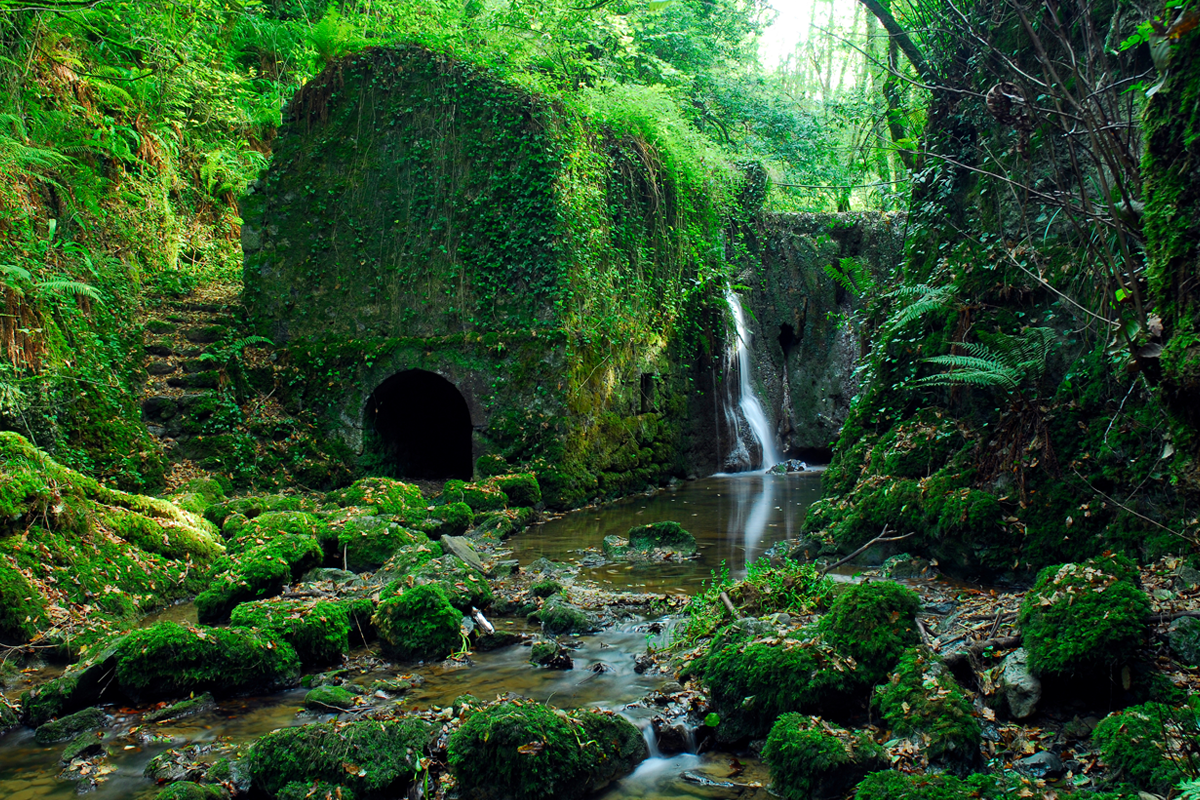
The water we consume at home does not begin to be produced at water treatment plants, but much earlier, in the forest catchment area itself. It is on this premise that the European LIFE URBASO project is being developed, an initiative coordinated by NEIKER that aims to demonstrate that proper forest management directly improves the water resource collected. Jaime Uria-Diez, a researcher in the centre’s Department of Forest Sciences, outlines the key aspects of the initiative and points out that, although “we often think of health and water in terms of chemistry or medicine”, the evidence from this project confirms that “forest management can also be a public health tool”
What direct link is there between the health of our forests and the quality of the water that reaches our homes?
We often think that drinking water depends solely on the water treatment plant, but in reality, it begins to be ‘produced’ much earlier, in the forest catchment itself. A well-managed forest protects the soil, promotes infiltration and ensures that raw water reaches streams and catchments in a cleaner and more consistent state. Conversely, when the soil erodes or becomes severely disturbed, there is an increase in sediment, turbidity and organic matter, which ultimately end up in the water that then needs to be treated.
At LIFE URBASO, we have focused precisely on this connection. The main idea is quite simple: if we take better care of the woodland upstream, the water reaching the drinking water catchments requires less treatment and offers greater assurance for human consumption.
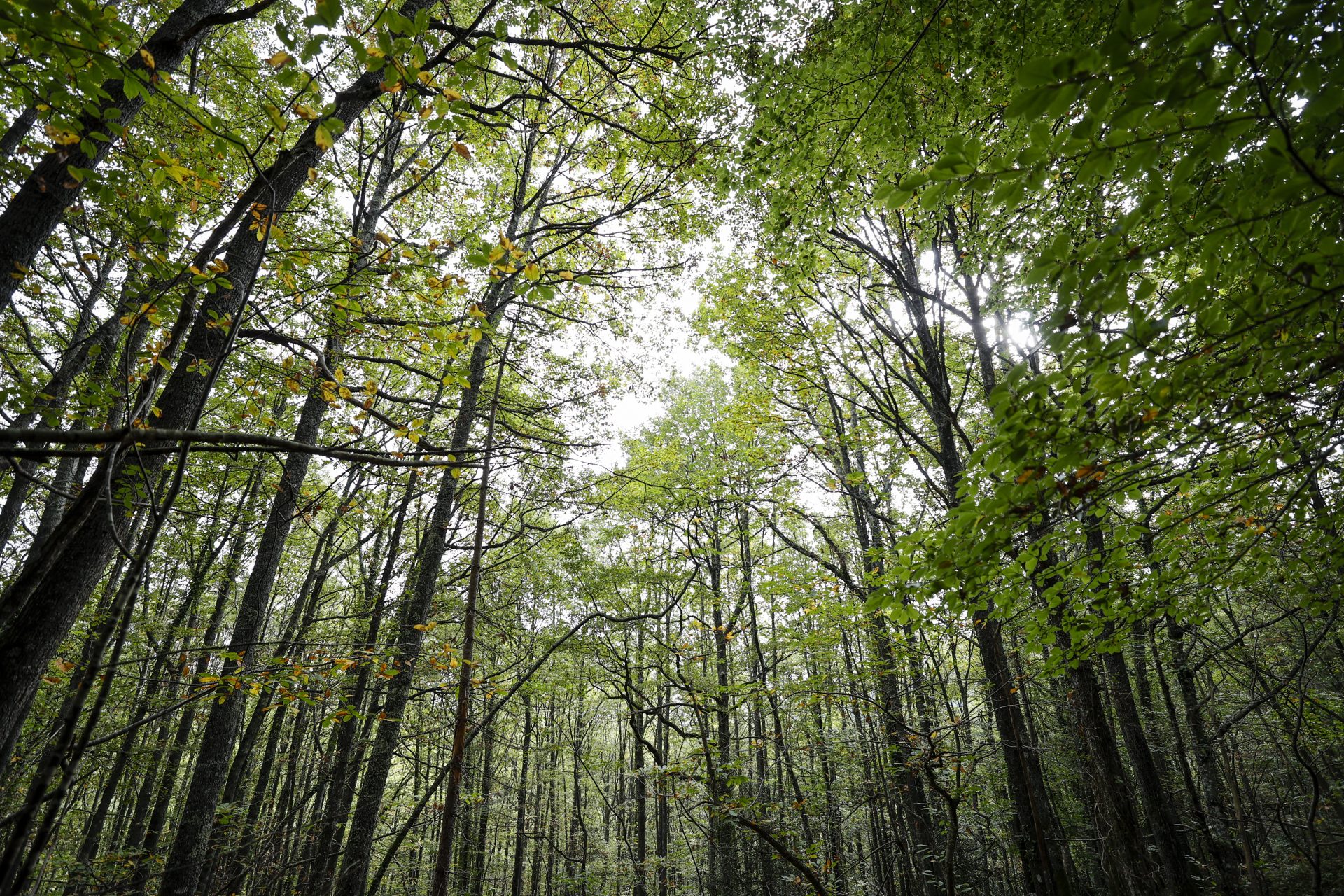
Over the years, you have been working in areas such as the Urdaibai Biosphere Reserve, Bakio and Markina. What have been the main challenges on the ground?
One of the main challenges of the project has not been solely technical, but also one of governance. In these areas, the situation is strongly characterised by a mix of public and private ownership, and the initiative has involved public authorities, forest managers, water authorities, landowners and research centres, each with different remits and interests.
Coordinating all these perspectives and finding common ground has been one of the most complex aspects. Whilst some local councils have shown great interest in protecting catchment areas, even going so far as to promote the purchase of strategic land, implementing these measures within the context of private ownership requires time and complex negotiation processes.
However, situations such as the severe drought of summer 2022 in Urdaibai, where drinking water had to be brought in from outside the region, demonstrate that spatial planning is needed to safeguard all services through the creation of resilient landscapes.
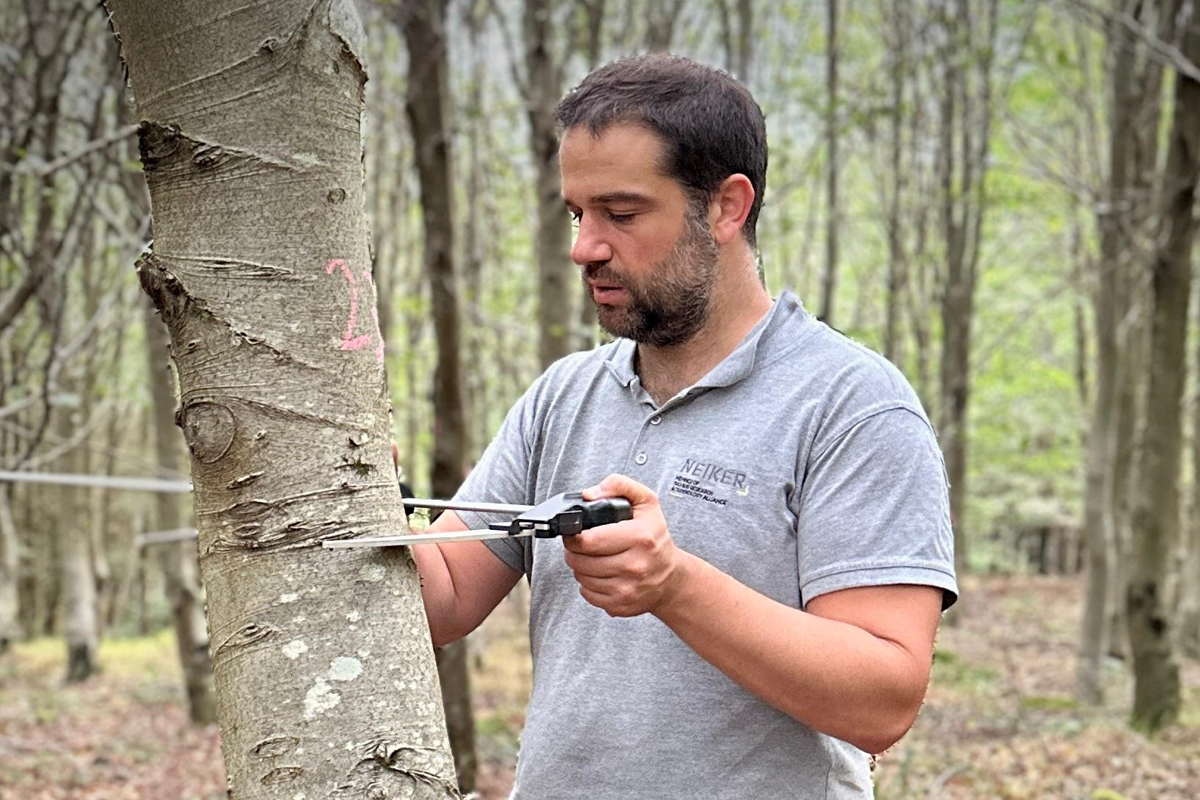 At LIFE URBASO, there is talk of ‘green infrastructure’ and nature-based solutions. What specific changes have you proposed in terms of forest management to protect that water?
The project frequently refers to ‘green infrastructure’ because, in many cases, the best technology for protecting water is not a concrete structure, but a well-managed forest providing continuous cover across both space and time.
To promote this approach, we have opted for forestry models that aim to keep the soil permanently protected by vegetation or forest litter. When the soil is bare, raindrops strike its surface directly, promoting erosion and the transport of particles down the slope until they reach watercourses. The presence of these particles increases turbidity, necessitating more intensive physical and chemical treatments at the water treatment plant.
Conversely, healthy forest soil, thanks to its deep root system – the network of roots that anchors and holds the soil in place – and a continuous supply of organic matter, significantly reduces the risk of erosion and helps to produce raw water with lower turbidity levels. By implementing these guidelines, we expect to achieve a 25 per cent reduction in sediment load.
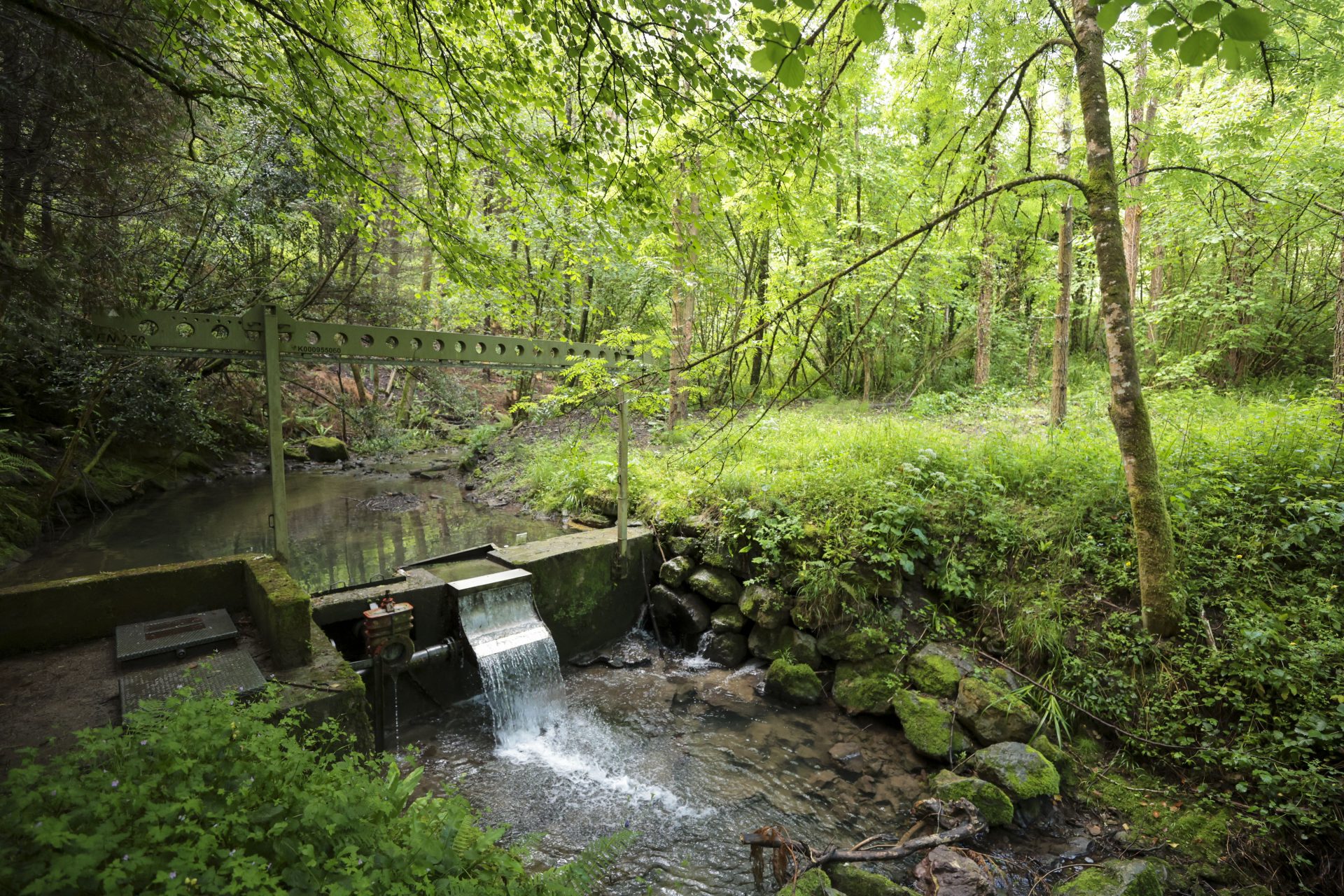
EFE/Luis Tejido
One of the lesser-known risks is the formation of trihalomethanes when water is treated with chlorine. How does good forest management help to minimise this problem?
Trihalomethanes (THMs) are by-products generated during the disinfection of water by chlorination, and their levels are regulated by European legislation due to their potential adverse effects on health. These compounds are formed when the chlorine used to remove pathogens from the water reacts with the natural organic matter present in raw water. As each forest ecosystem contributes organic matter with different characteristics, its reactivity with chlorine can also vary. Our aim has been to study these differences in order to propose silvicultural recommendations that ensure water quality at the catchment points.
What is interesting about URBASO is that it proposes taking action at source, by reducing erosion and altering the type of organic matter in the catchment area – which encompasses the entire forested area where rainwater is collected and drains towards the water abstraction points – thereby directly helping to simplify the subsequent water treatment process. In this way, we hope to reduce the amount of dissolved organic carbon by 10 per cent.
Ultimately, this shows us that forest management can also be a public health tool; we often think of health and water solely in terms of chemistry or medicine, when the key to protecting this resource lies in how we look after our woodlands.
We’re not just talking about quality, but also quantity. In a context of drought, is it possible for a well-managed forest to ‘produce’ more water for consumption?
We cannot say that a forest creates water, but we can say that it can manage much more effectively how water is stored and how it flows within a catchment. Healthy forest soil allows more water to infiltrate, reduces rapid runoff losses and helps maintain a more consistent flow into streams.
To understand this, it is important to distinguish between two types of water: blue water and green water. Green water is the water that circulates through vegetation; some of it remains on the leaves and evaporates, whilst some is taken up by the roots for photosynthesis and transpired, so it does not reach the river. The water that does seep into the soil and reaches aquifers or rivers is blue water, which is what we harness in our water catchments.
As climate change forces us to consider the type of forest we have and how it is managed – given that different species have very different water requirements – at LIFE URBASO we have adapted our forest management practices to build resilience. We aim to reconcile forestry production, biodiversity and water security, with the objective of demonstrating that these changes in land use can lead to a 15 per cent increase in the amount of available water.
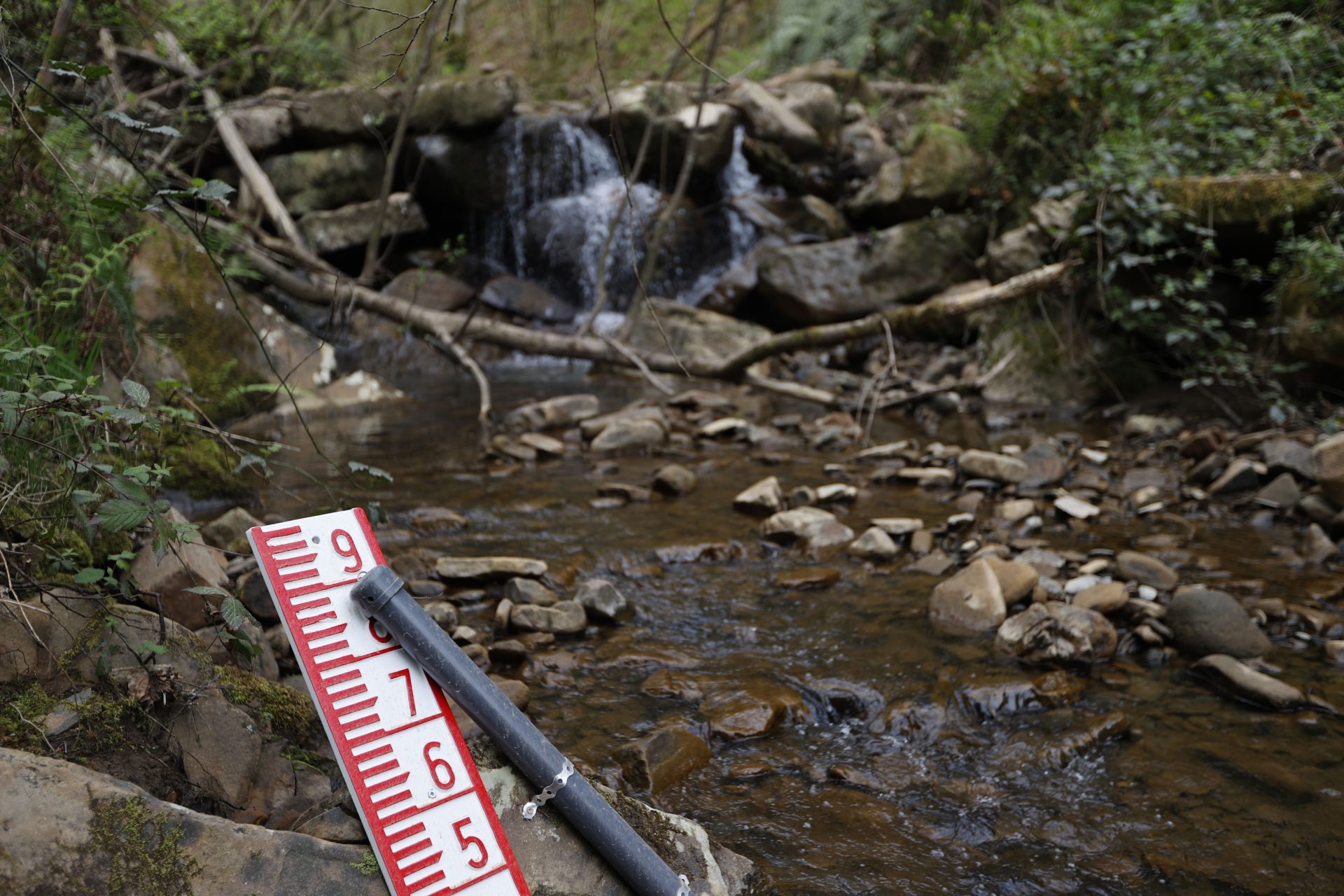
One of the cornerstones of the project is payment for ecosystem services. How do you explain to forest owners that their work is vital, and how can they be compensated for their efforts?
I believe the first step is to recognise that forest owners are already contributing far more than just timber, even though this is often not apparent. When a forest owner maintains stable soil or implements management practices that protect a water catchment, they are generating benefits for society as a whole: better-quality water, lower treatment costs and greater biodiversity.
Payments for ecosystem services are specifically designed to recognise this effort through a contractual mechanism. The idea is that part of the social benefit generated by such management should also be returned financially to those who make it possible. A key aspect of this project has been to build bridges, not create confrontations; the forestry sector is part of the solution and should not feel singled out as the problem.
Now that the project is coming to an end this year, what is the main legacy that remains available to public authorities to enable this model to be replicated?
LIFE URBASO’s greatest legacy is having demonstrated through concrete action that water and forest management cannot continue to operate in isolation, as the project has served as a real-world laboratory for testing how sustainable forest management and timber production can become a direct tool for protecting natural resources, public health and the local area. In fact, this experience has resulted in highly practical outputs such as risk assessment methodologies, a handbook setting out forest management criteria, and a Technical Guide for the demarcation of zones, which will facilitate the work of other authorities. All this accumulated knowledge comes at a crucial moment, just as new European regulations require much more thorough risk assessments in drinking water catchment areas, making our experience an ideal benchmark for many other places.