NEW
“Monitoring wildlife enables us to identify risks earlier and protect the health of animals, people and our territory”
20 October 2026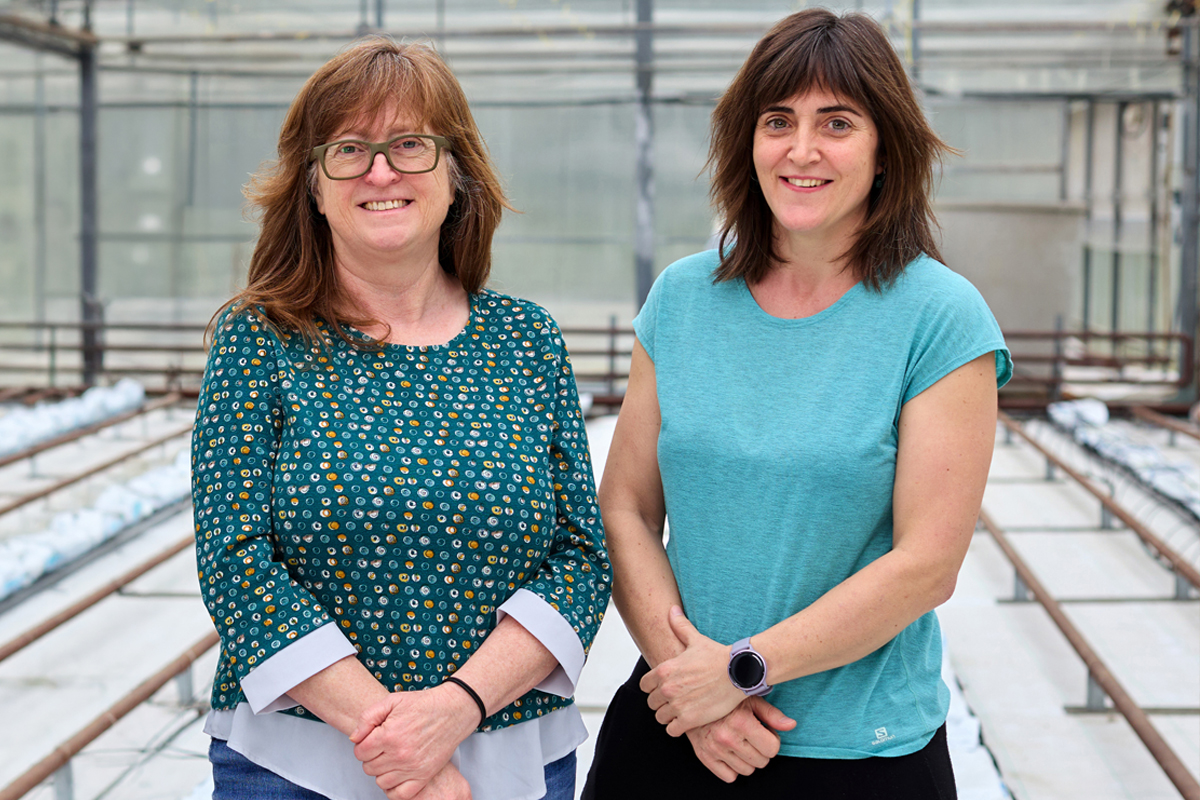
The health of wildlife is closely linked to that of domestic animals and to human health. Some diseases can be transmitted between wild and farmed animals and, in certain cases, can also be passed on to humans. Understanding which diseases are present in the natural environment, how they are distributed and how they evolve enables us to identify potential risks and improve prevention measures. Marta Barral and Xeider Gerrikagoitia, researchers in NEIKER’s Department of Animal Science, have been working for 25 years on the health surveillance of wildlife in the Basque Country, a task which, as they explain, involves not only “knowing what threats exist today”, but also identifying those that might arise in the future.
Why is it important to monitor the health of wildlife when we are also discussing human health and livestock health?
There are diseases that can affect both domestic animals and wildlife and be transmitted between them. Furthermore, some can also be transmitted to humans, which is why they are considered zoonotic.
Zoonoses associated with wildlife currently represent a significant public health problem worldwide. Their importance is increasingly recognised, and the need to pay greater attention to this area is becoming increasingly apparent.
This connection between wildlife, domestic animals, people and the environment lies at the heart of the One Health approach. How is this concept applied in your day-to-day work at NEIKER?
The One Health approach encapsulates the idea that human health and animal health are interconnected with one another and with the ecosystems in which they coexist.
In our case, wildlife health surveillance helps us to gain an in-depth understanding of the epidemiology of diseases and the role that wildlife plays in their persistence and spread, and to prevent the spread of diseases between wildlife and domestic animals.
When we talk about public health surveillance, what exactly does it involve and what information does it provide?
A surveillance programme enables us to identify which diseases are present in wildlife, how frequently they occur and how they are distributed across the territory. This information can vary greatly depending on the species, the area in which it is found and the relationship between the different domestic and wild species inhabiting that territory.
Maintaining this monitoring over time allows us to observe how diseases evolve and to detect the emergence of new ones. It also facilitates the implementation of prevention and control measures when necessary.
A recent example is the first-ever detection in our region of the brown hare virus as the cause of high mortality amongst hare populations.
Which diseases are currently being monitored in the Basque Country?
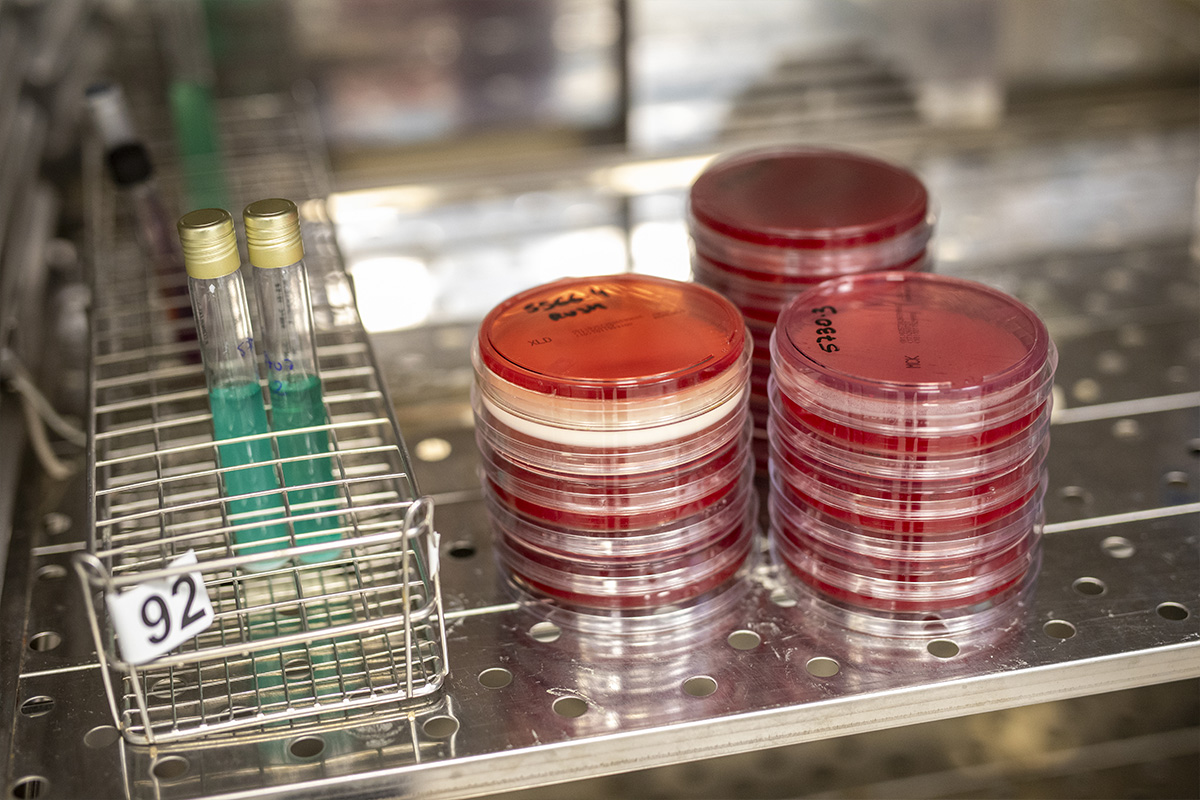
Diseases that may be of significance for various reasons are monitored on an ongoing basis: because they can be transmitted to humans, because they can affect livestock, or because of their impact on wildlife conservation. These include avian influenza, West Nile fever, Newcastle disease, tuberculosis, brucellosis and various other diseases that can affect wildlife or livestock. In addition, ad hoc studies are carried out on other zoonoses, such as Q fever, leptospirosis and Crimean-Congo haemorrhagic fever.
Within the scope of this monitoring, which species currently require special attention?
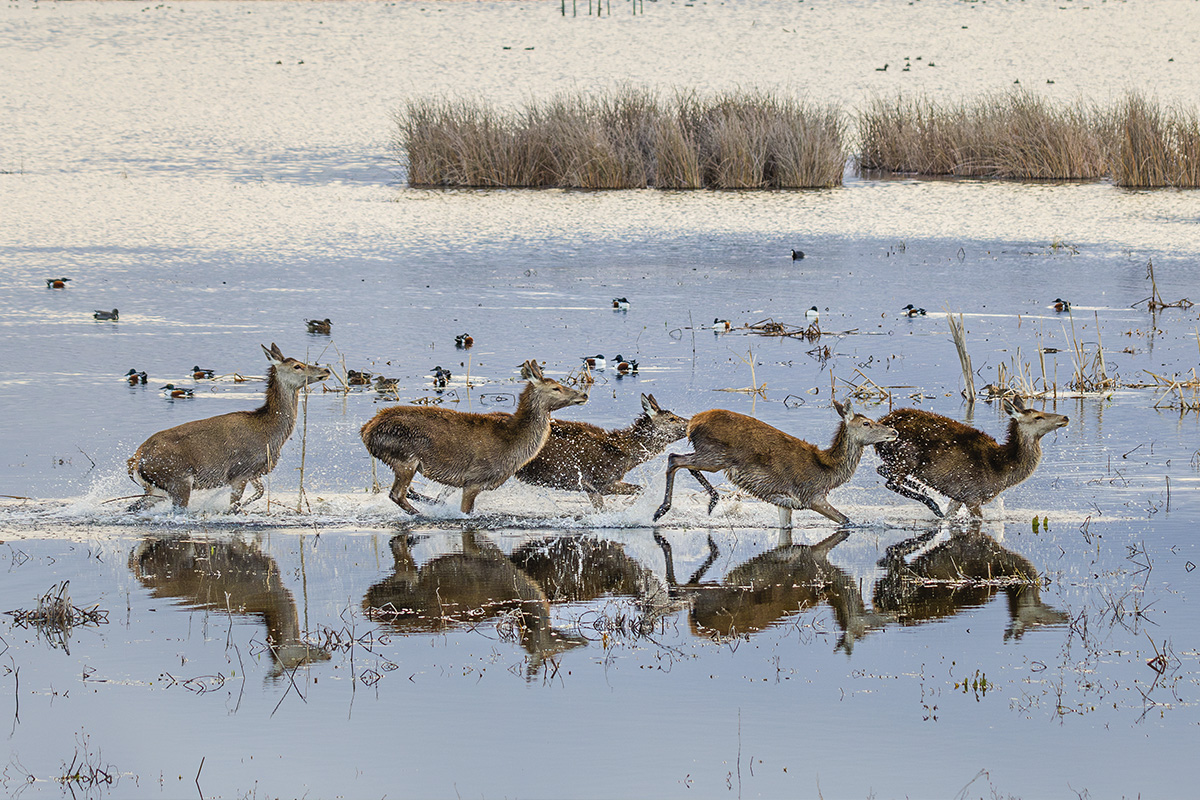
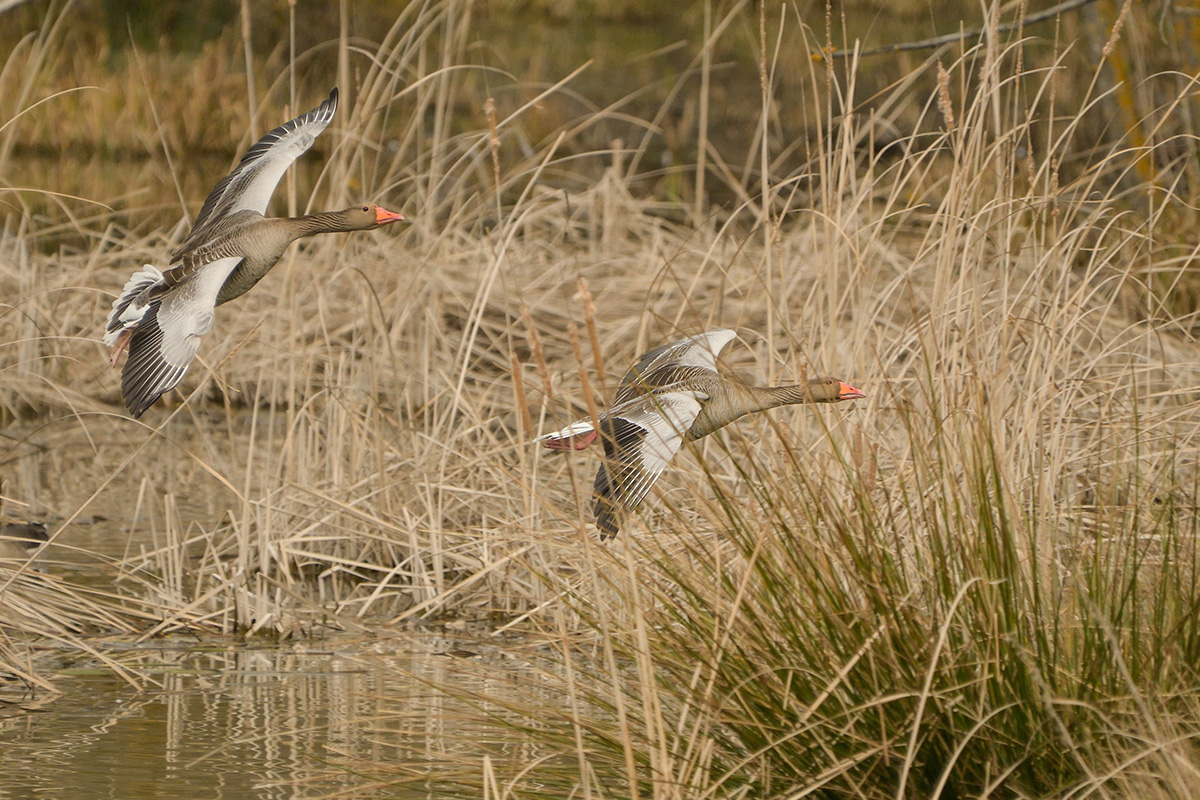
Birds require special monitoring due to their role in diseases such as avian influenza and West Nile fever. In the case of avian influenza, wild birds – particularly migratory waterbirds – can act as a reservoir and contribute to the introduction and spread of the virus. In the Basque Country, several cases of highly pathogenic avian influenza have been detected in wild birds in recent years; it is therefore particularly important to monitor wild populations and prevent contact with domestic birds. In the case of West Nile fever, wild and migratory birds contribute to the spread of the virus, which is transmitted by mosquitoes. This disease is now common in south-western Europe and has caused recurrent outbreaks in parts of Spain such as Andalusia and Extremadura, with cases mainly affecting horses and humans. Although no cases have been detected in the Basque Country, the spread of the virus makes it necessary to maintain surveillance of wild birds
Newcastle disease also requires special attention, as it can affect all birds and have a significant economic impact. Spain has recorded outbreaks in domestic fowl since late 2025, leading to the culling of animals and restrictions on the marketing of poultry products.
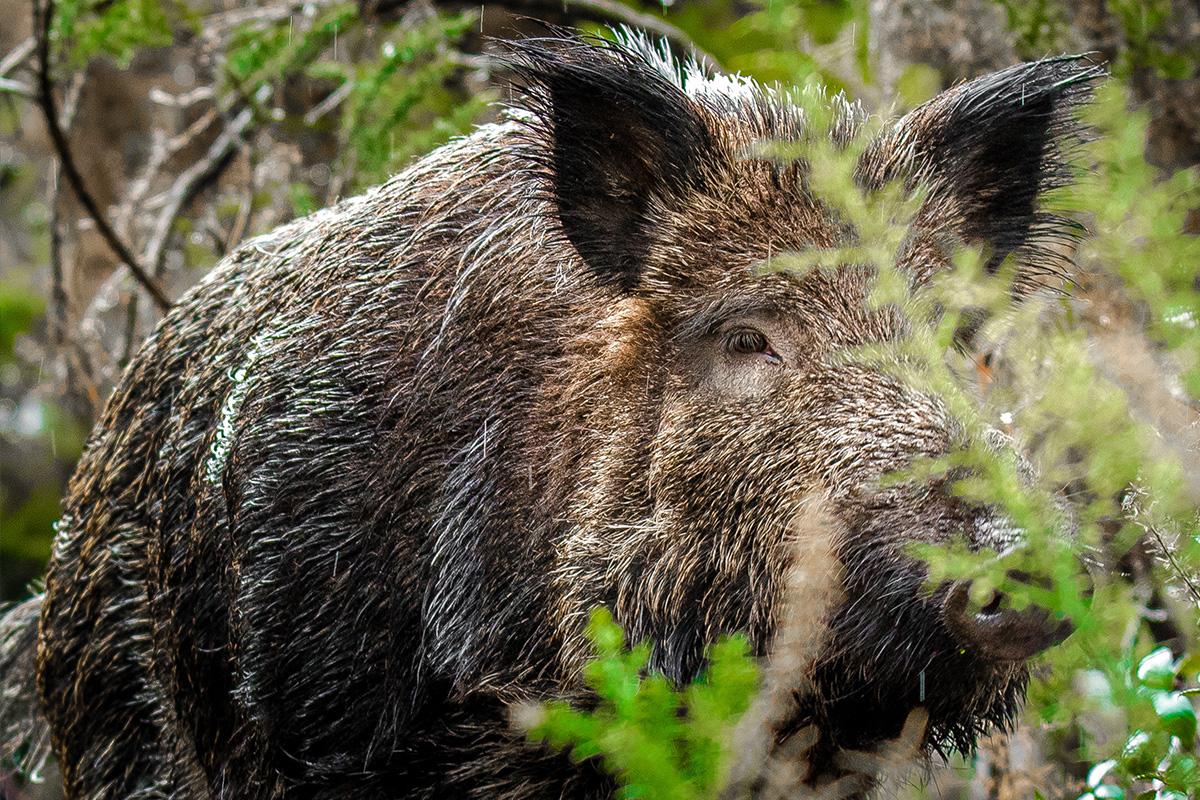
The wild boar is another species that requires monitoring. Its populations have expanded significantly across the region and may be linked to numerous diseases. One example is African swine fever, with an outbreak reported in Catalonia in late 2025. This disease is not transmitted to humans, but it is highly contagious, can cause high mortality rates among wild boars, and there is a risk of transmission to animals on pig farms, with a potentially significant economic impact.
Monitoring these species helps us to identify diseases and risks that could also affect livestock.
Are there any specific cases where early detection in wildlife has prevented more serious problems on livestock farms?
We do not have a specific case in which we can say that a detection in wildlife has prevented a major problem on a farm. However, surveillance enables us to act swiftly when a risk arises. For example, when positive cases of highly pathogenic avian influenza are detected in wild birds, the authorities and the sector are informed immediately.
The early detection of these outbreaks and the reporting of the situation enable us to strengthen the necessary prevention and control measures to prevent poultry farms from being affected.
NEIKER has been working in this field for 25 years. How has this work evolved over that time?
At NEIKER, we began systematically studying wildlife diseases in 2001. Since then, we have been expanding our knowledge of the diseases affecting the species found in our region and developing diagnostic protocols and techniques tailored to wildlife.
This ongoing work enables us to gain a better understanding of the health status of populations and to be prepared for new situations, facilitating the early detection of potential diseases.
VEPIFAUS forms part of this line of work. What does this project mean for wildlife health surveillance in the Basque Country?
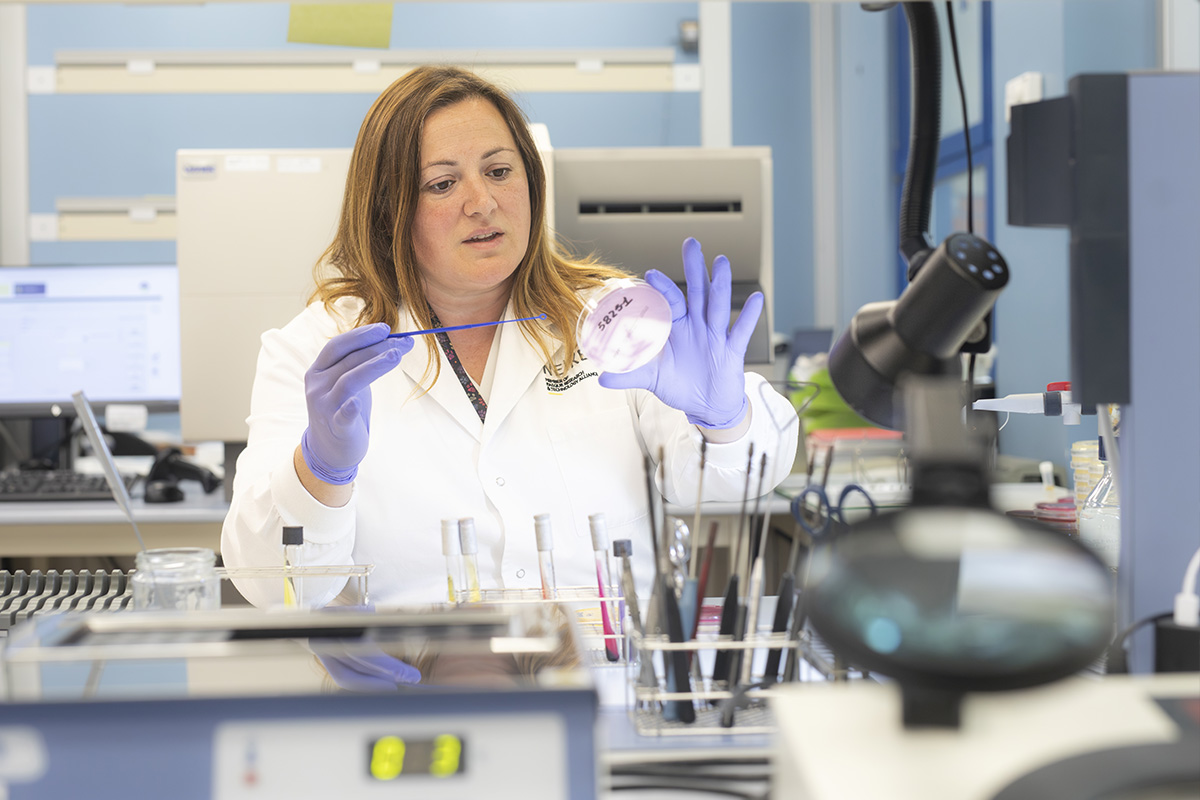
VEPIFAUS continues this line of work through a programme to monitor the health of wild species in the Basque Country. Its aim is to identify the presence and distribution of diseases of concern to animal health and public health, and to maintain this monitoring over time.
We have been working in this field for 25 years, developing the necessary analytical methods to assess the health status of the wildlife in our region. Maintaining this surveillance year after year enables us to be prepared for new situations and facilitates the early detection of potential diseases.
For this monitoring to be possible, we need to know what is happening on the ground. What role do the primary sector and other groups in direct contact with wildlife play?
The primary sector is a key partner because the health of livestock is closely linked to that of wildlife and the ecosystem itself. Livestock farmers can help us identify unusual situations or potential risks affecting domestic animals that are linked to what is happening in the natural environment.
However, in this project, our main ‘eyes’ on the ground are, above all, wildlife rescue centres, forest rangers and the hunting community. They are the ones in direct contact with wildlife and can spot animals showing symptoms, unusual deaths or other situations that alert us to a potential problem.
Their collaboration is essential to improving our surveillance and detection capabilities.
Looking to the future, what challenges do climate change and species mobility pose when it comes to anticipating new threats?
One of the main challenges is that climate change is altering the conditions in which wildlife, vectors and pathogens live. Temperatures, periods of activity and the areas in which certain species can survive are changing, and this may encourage new interactions.
Added to this is the mobility of species, both through their natural movements – particularly in the case of migratory birds – and through movements associated with human activity. These movements can facilitate the spread of diseases to new territories, bringing them into contact with species that had not previously been exposed to them.
The major challenge is to anticipate these developments; not only to understand the threats that exist today, but also to identify which changes in the landscape, in species distribution or in environmental conditions may give rise to new risks. To do this, we need to combine information on wildlife, vectors, the environment and livestock farming.
Finally, what message would you convey to the authorities, to professionals in the sector, and to the public regarding the importance of maintaining this vigilance?
It is important to maintain and continue monitoring wildlife in order to identify risks at an early stage and better protect the health of animals, people and our region.
To this end, collaboration between different professionals is essential, as is public involvement. If you come across a sick or dead wild animal, it is important not to approach or handle it, and to report it as soon as possible so that it can be collected safely.
Together, we can help to identify potential risks at an early stage and improve the protection of our wildlife and our environment.