NEW
Promoting the revival of grape varieties in Rioja Alavesa as a strategic focus for resilience and biodiversity
20 July 2026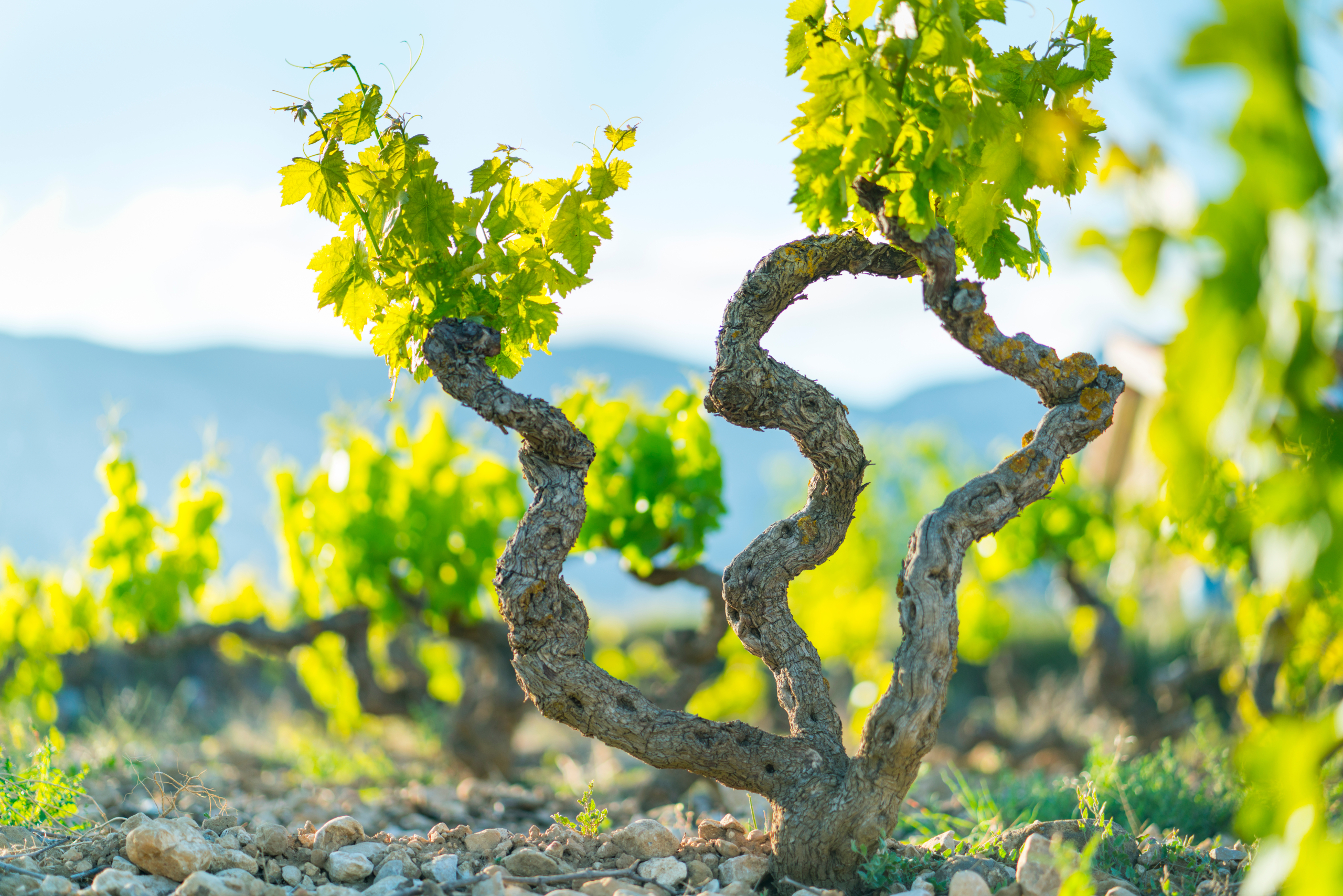
- Every Tuesday in July, the NEIKER technology centre will organise meet-ups to enable winegrowers to collaborate on the identification and conservation of old grape varieties and unique biotypes
- NEIKER, in collaboration with the Provincial Council of Álava, the Basque Government and EDA Drinks & Wine Campus, is reinforcing its commitment to preserving genetic heritage in the face of climate change
Modern viticulture faces the challenge of overcoming the genetic homogenisation observed over recent decades in order to improve its resilience to climate variability, pests and diseases. With this in mind, NEIKER has launched a new phase of its Varietal Identification Programme, a key initiative within the new R&D&I Plan for Viticulture in the Rioja Alavesa. This project is the result of close institutional collaboration between NEIKER, the Provincial Council of Álava and the Basque Government, which has recently been joined by EDA Drinks & Wine Campus, with the aim of protecting the region’s viticultural heritage through science and innovation.
A commitment to the future of the región
The Varietal Identification Programme is not an isolated initiative, but a fundamental pillar of the cultivation component of the aforementioned R&D&I Plan. The aim is to rescue varieties that are grown only sporadically or are at risk of extinction, by identifying vines with unique characteristics and a high potential for adaptation. Roberto Pérez-Parmo, a researcher in NEIKER’s Department of Plant Production and Protection, highlights the purpose of this work: “The aim is to identify and preserve varieties, or biotypes of traditional varieties, which enrich the genetic heritage of our vineyards in Rioja Alavesa, offering winegrowers the opportunity to identify unknown varieties in their old vineyards, analyse their health status and find ways to propagate and conserve them.”
Networking opportunities for the sector
To ensure that winegrowers’ expertise plays an active role in this research, NEIKER has organised information sessions throughout July. On the 14th, 21st and 28th, the technical team will be at the HAZI office (Cuadrilla building, in Laguardia) to coordinate sample collection, provide field equipment and advise winegrowers on how to identify these unique grape varieties in their vineyards.
Results that validate the strategy
The strength of this programme is underpinned by the success of previous campaigns, which have demonstrated a high level of engagement from the sector. To date, around 20 wineries have actively collaborated on the initiative, enabling a detailed analysis of approximately 200 grapevine varieties. This effort has resulted in the identification of 38 different varieties, of which 16 have been classified as rare. Currently, some of these varieties are being propagated in nurseries, an essential step in assessing their agronomic and oenological potential with a view to strengthening the region’s viticultural biodiversity.
This recovery effort forms part of a major strategic investment involving more than 50 R&D projects carried out by NEIKER in the region, worth 5 million euros, funded by the Basque Government and through national and international calls for proposals. With this roadmap, the technology centre, together with its institutional partners, reaffirms its commitment to a wine-growing model based on scientific evidence, diversity and sustainability, ensuring the competitiveness of the Rioja Alavesa in the face of future challenges.
NEIKER – EDA Drinks & Wine Campus Partnership
EDA Drinks & Wine Campus and NEIKER, a centre associated with the campus, have recently signed a strategic partnership to promote research, innovation and knowledge transfer in the field of viticulture and wine. The collaboration combines NEIKER’s scientific expertise with the EDA Drinks & Wine Campus’s ecosystem of training, entrepreneurship and innovation, with the aim of providing solutions to the sector’s challenges, boosting its competitiveness and helping to position the Basque Country as an international leader in wine innovation.