NEW
Analysing the source of water for vines as a basis for tackling climate change in viticulture
26 May 2026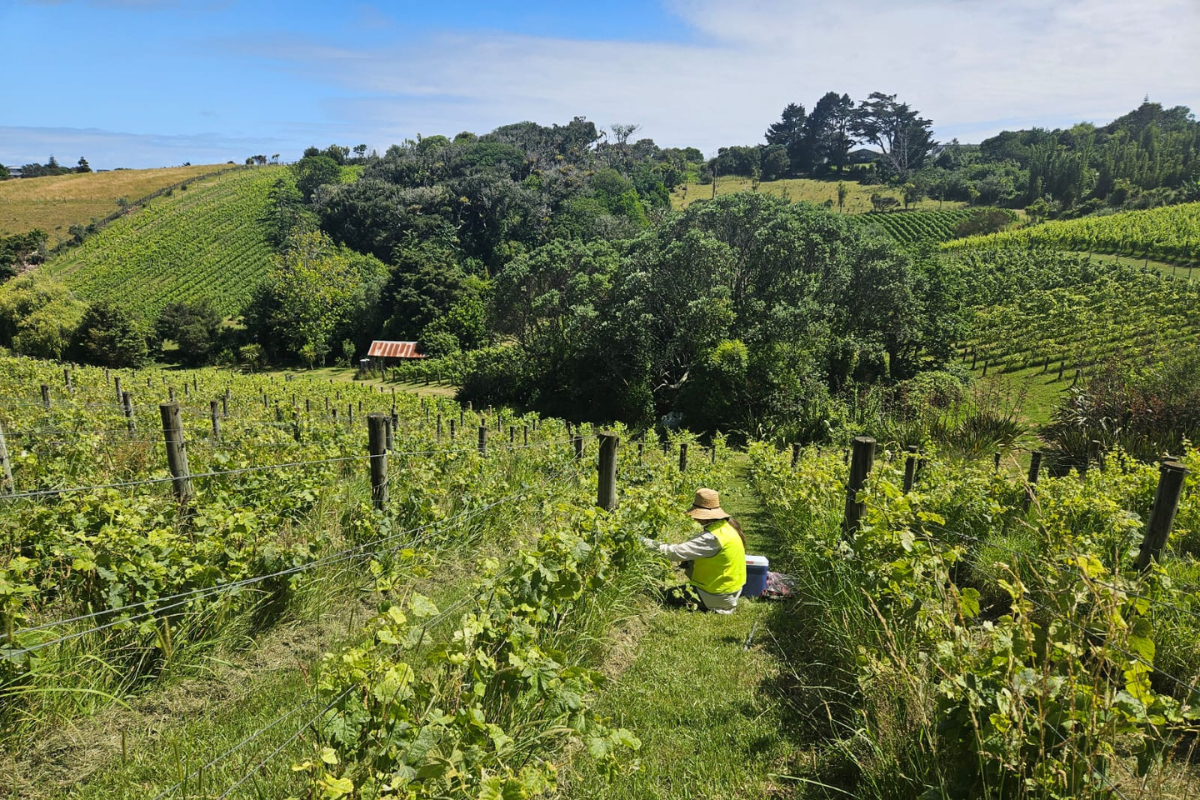
- NEIKER is participating in the European IsWINE project, which analyses the water uptake strategies of grapevine roots in order to provide the wine sector with soil management tools that ensure production under drought conditions
Where do the roots of a vine get their water from when the soil begins to dry out? Answering this question is the central focus of the European IsWINE project, in which the NEIKER technology centre is participating, and which aims to identify the vineyard’s survival strategies in the face of increasingly unpredictable rainfall. The aim is to provide the sector with precision tools to improve soil management and ensure production under water stress conditions.
In this context, the research focuses on analysing the mechanisms by which vines absorb and utilise water, with the aim of determining which soil management practices are most effective at retaining moisture in an environment with increasingly erratic rainfall. This knowledge is essential for adapting viticulture in regions with a Mediterranean climate, such as Rioja Alavesa, to the challenges of climate change, as it allows for a more detailed understanding of the processes occurring beneath the soil surface.
This approach is based on the use of techniques such as stable isotope analysis, which act as natural identifiers of water, allowing its origin to be distinguished depending on whether it comes from rain, moisture retained in the different soil layers or, where used, irrigation.
“Identifying these signals allows us to understand where the vine obtains its water and how it changes its strategy when water resources diminish,” says Itxaso Ruiz, a researcher in NEIKER’s Department of Plant Production and Protection.
Through this traceability, the project aims to generate knowledge that will enable the design of soil management strategies aimed at increasing crop resilience to drought, prioritising soil water conservation and reducing dependence on irrigation.
Basque Country–New Zealand Exchange
The search for more efficient management solutions has led NEIKER to compare its approaches with those of other wine-growing regions, such as New Zealand, which is regarded as a benchmark in water management and where researcher Itxaso Ruiz undertook a study visit as part of the project.
Despite having an oceanic climate and greater water availability than Rioja Alavesa, New Zealand viticulture maintains a vineyard management approach focused on sustainability and the efficient use of water resources.
A particular highlight of this visit was the integration of scientific research and wine-growing practice, a very close link between technical knowledge and decision-making in the field. “This model of knowledge transfer is what we aim to strengthen, through the use of technologies that put information at the service of decision-making in the vineyard,” notes Ruiz.
Precision viticulture
Within this framework, IsWINE forms part of precision viticulture as a support tool that provides data for crop management. The project posits that technological progress does not replace professional judgement, but rather complements it, providing those responsible for the vineyard with objective information to optimise water use.
In the long term, this research aims to drive the transformation of the wine-growing landscape towards a more resilient model with greater water regulation capacity, improved soil conservation and increased biodiversity. “The aim is to ensure ecosystem and production balance, as well as to preserve the cultural value of vineyards in the face of climate challenges,” concludes the researcher.