NEW
Nut trees: the hazelnut tree opens up new possibilities in Araba
10 November 2026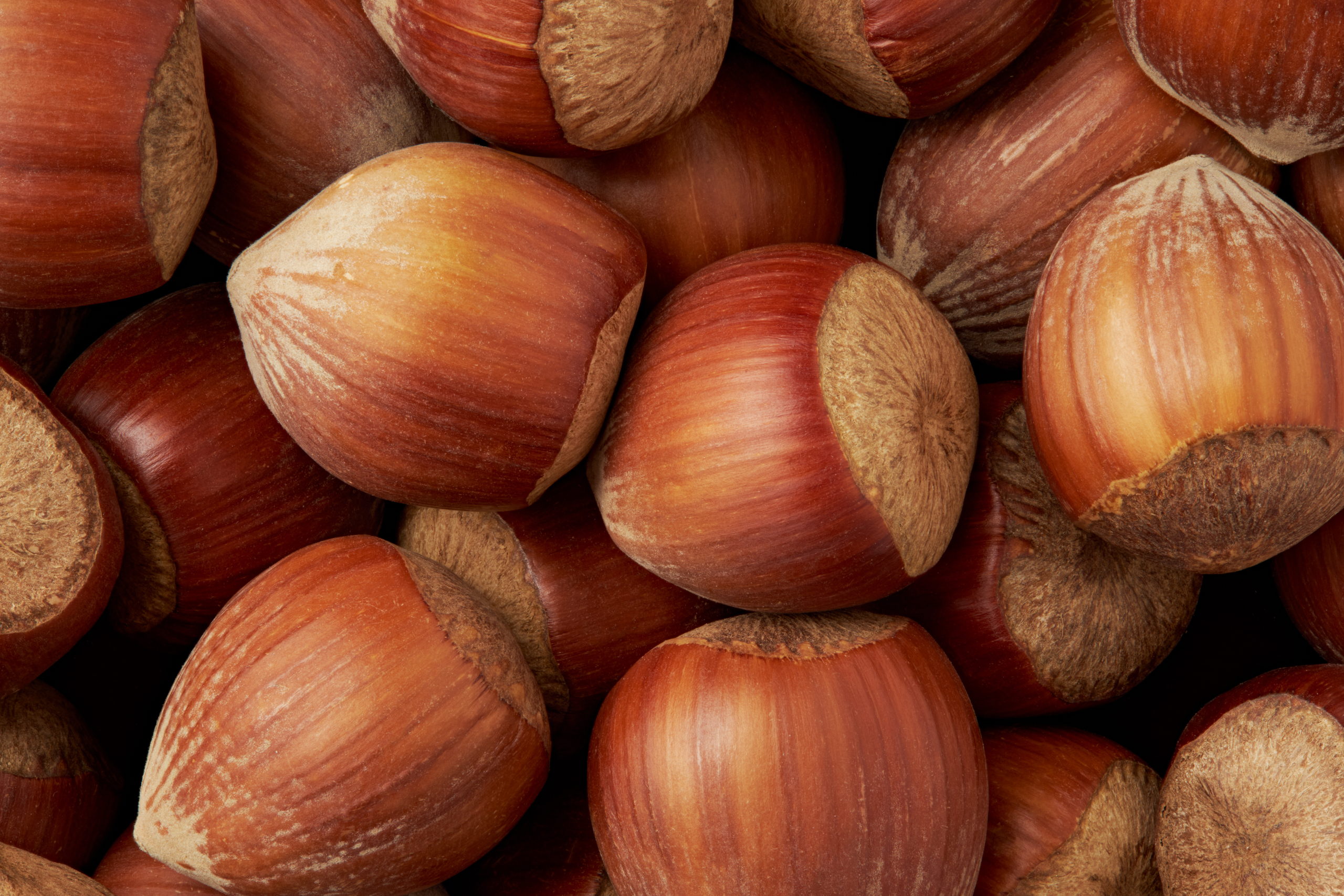
- NEIKER and ADR Añana are holding a workshop in Valdegovía on stone fruit trees, presenting the results of the 2026 growing season
- The technology centre is presenting data on walnut yields and the adaptability of hazelnut trees following years of agronomic trials
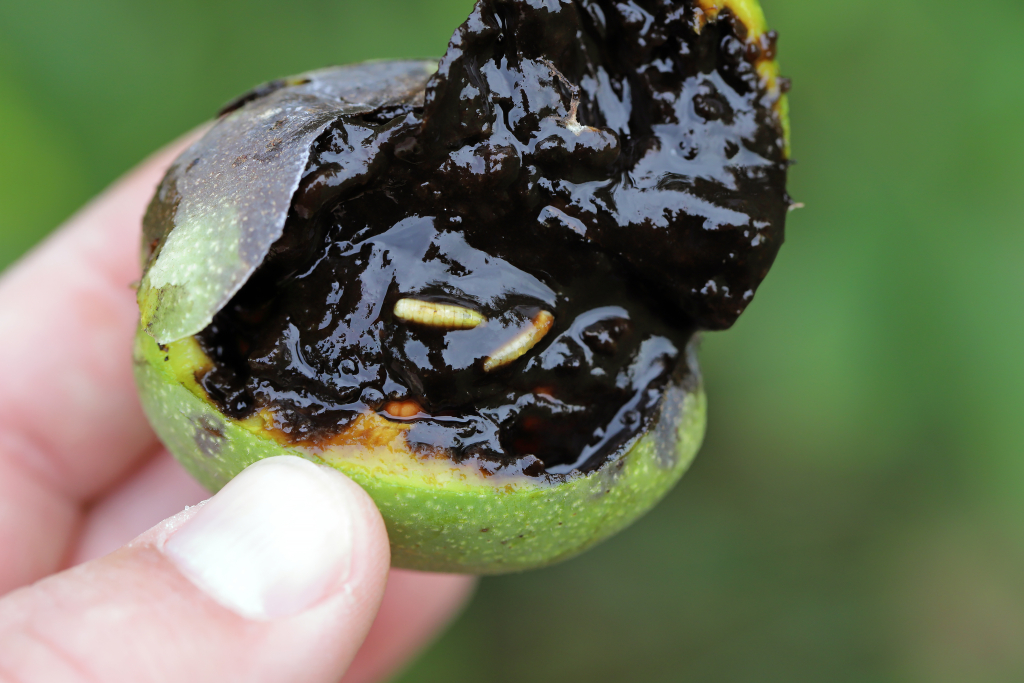
- Initial data on walnut fly control are encouraging
NEIKER and the Añana Regional Development Agency (ADR) held the 2026 Nut Tree Conference on 9 November in Villanueva de Valdegovía (Araba). The event brought together professionals from the agricultural sector, public authorities, businesses and management centres. The NEIKER team presented the results of the walnut campaign, obtained from a trial conducted as part of the BALTSAN network, the centre’s long-term trial network. It also provided an overview of the first year of monitoring the walnut husk fly (Rhagoletis completa), a pest of concern to walnut growers in the Basque Country. The final session was devoted to the hazelnut, a crop that NEIKER has been studying since 2020. In collaboration with the ADV de l’Avellana, the event provided the sector with technical information to help them decide whether to invest in nut trees. Amaia Ortiz Barredo, head of NEIKER’s Department of Plant Production and Protection, considers the hazelnut tree “a very good opportunity as an alternative crop in Álava”.
BALTSAN: long-term trials to inform decision-making with data
The trials of stone fruit trees in Zambrana form part of BALTSAN. NEIKER set up this network to generate knowledge about soil health and agricultural sustainability. Since 2019, the centre has been trialling different combinations of walnut, hazelnut and almond varieties there. It is also varying the spacing between trees and the pruning systems. The Añana Regional Development Agency (ADR) is collaborating on the project, which aims to define an agroecological production model for Araba.
There is a clear rationale behind this approach. “Only through long-term trials can we demonstrate that a solution is robust and sustainable,” explain representatives from NEIKER. Each year, the centre shares the results with the sector so that it has technical information available before planting.
The event began with walnut production data for the 2026 season, broken down by variety. This comparison helps in selecting the varieties that perform best in Araba.
Walnut fly: results of the first year
The monitoring network launched by NEIKER in 2026 comprises 16 monitoring points across the three territories. Thanks to this network, the team has access to catch data from across the Basque Country. “We have achieved good results: we have data on catches and on how the proposed control measures have fared,” explains Ortiz.
One of the most significant findings concerns the traps. There are two types used to capture the fly, and one of them did not work as expected under the conditions in the Basque Country. “We cannot afford to get it wrong with the fly-capture traps,” emphasises the researcher. The seminar highlighted which ones have proved effective.
The team also identified significant confusion between two plant diseases with very similar symptoms. Distinguishing between them clearly is essential for managing the crop. NEIKER also provided data on the fly’s life cycle, the first step towards establishing control measures. “The preliminary data from one year are encouraging in terms of being able to control both the fly and a bacterial disease,” notes Ortiz.
Hazel: climate, water and pruning in Álava
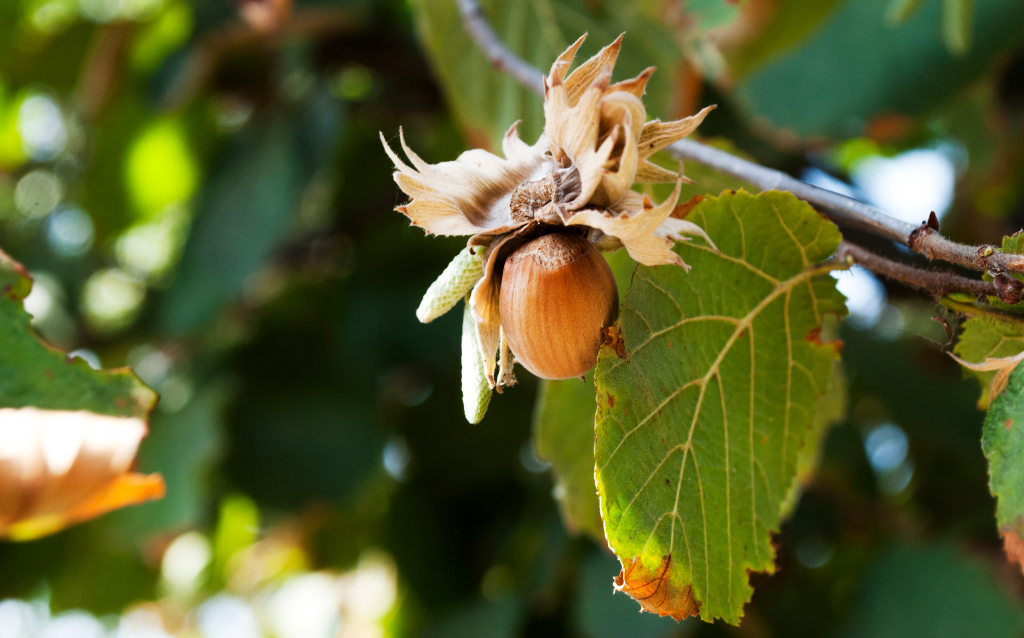
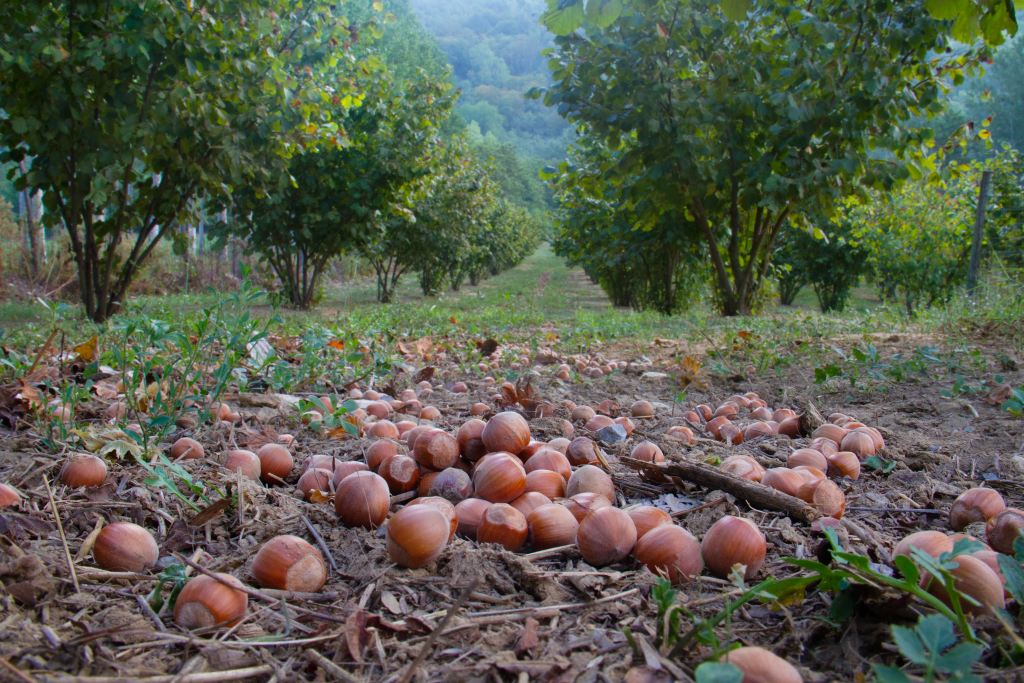
In 2020, NEIKER launched a study into hazelnut varieties and pruning techniques. This crop requires cold hours in winter for flowering and specific climatic conditions throughout its entire cycle. “Álava meets these requirements and represents a golden opportunity”, the researcher stated.
The seminar also explained how to manage the species. Water availability is key to choosing a farm, so it is important to know from the outset whether irrigation is available. Furthermore, according to Ortiz, the hazelnut tree “requires very specific pruning to prevent regrowth”. The varieties are geared towards different uses, such as flour or fresh consumption, and the seminar reviewed the market potential of each.
This session featured a presentation by ADV de l’Avellana, a Catalan organisation with over 20 years’ experience advising farmers and cooperatives. Based on the results of this campaign, NEIKER and ADR Añana are reinforcing their commitment to nut trees as an alternative for the Alava countryside.