NEW
The use of cover crops in vineyards as a solution to extreme weather events
18 March 2026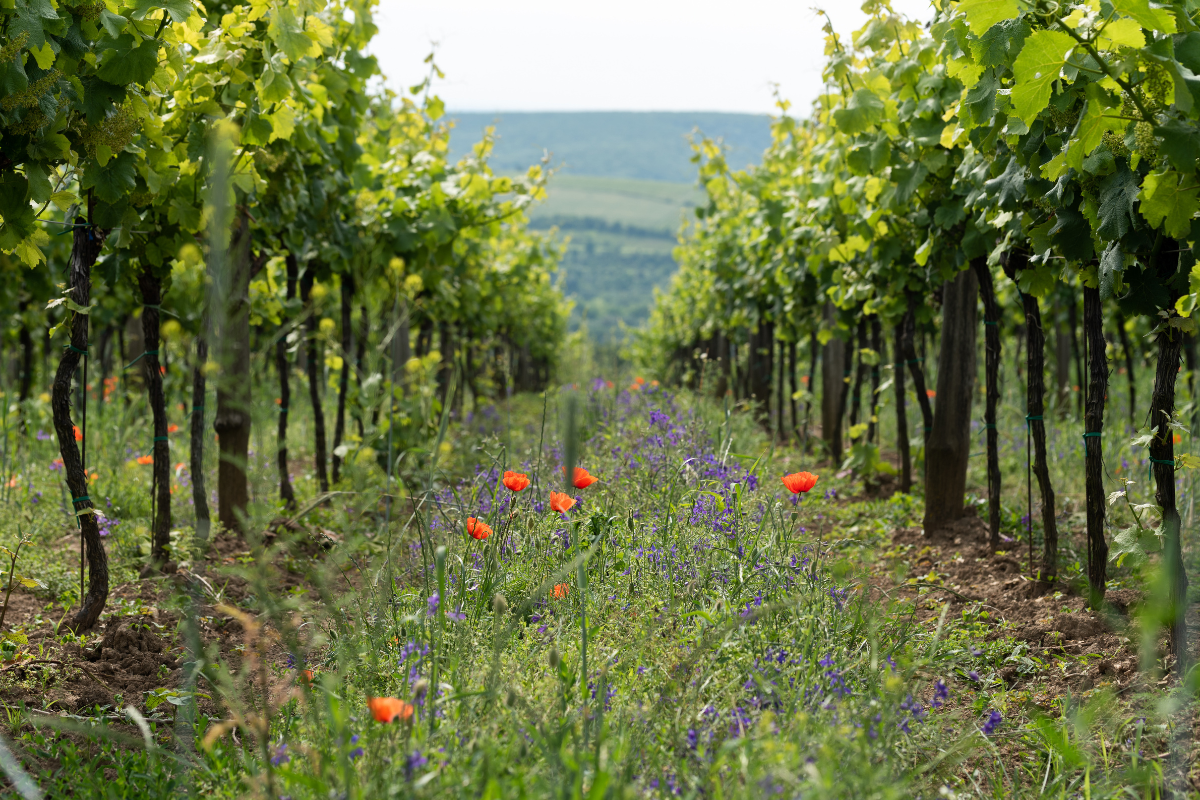
- NEIKER is analysing the impact of different soil management practices in Rioja Alavesa to improve soil fertility and reduce erosion on the plots
High temperatures, torrential rain and periods of drought are shaping the development of the vineyard. Faced with the increasing frequency of these weather events, the wine sector is seeking strategies to ensure soil protection and conservation. Against this backdrop, the NEIKER technology centre is evaluating different soil management practices on an experimental plot in Elvillar, specifically in collaboration with the MAISULAN winery in Rioja Alavesa.
This research, which has been running for six years, brings together the objectives of two of the centre’s strategic projects: VITISAD II, which seeks agronomic solutions to help vineyards adapt to climate change, and VinAE, which focuses on monitoring overall soil health.
Within this framework, the trial compares four strategies: conventional tillage, permanent natural cover that maintains the natural vegetation continuously, a combined management approach incorporating both, and, since last year, an alternative that involves maintaining the vegetation cover by using a subsoiler. This technique allows intervention in the deep soil layers to improve their structure, promoting aeration and water infiltration, without removing the surface vegetation cover, which acts as protection against sunlight and the direct impact of rain.
Impact on fertility and physical protection
Following trials conducted with different treatments, the results obtained between 2020 and 2025 confirm that a less intensive approach to soil management, compared to conventional tillage, significantly improves the plot’s quality indicators. Specifically, organic matter in the topsoil has increased from 1% to 1.85%, which strengthens the soil structure and improves its ability to retain water and nutrients.
Furthermore, this greater chemical and structural stability of the soil has, in turn, a direct impact on its physical protection. As organic matter promotes a better soil structure and the soil is better protected by vegetation, this prevents rainwater from washing away fertile soil.
According to Roberto Pérez Parmo, a technician at NEIKER, “vegetation cover acts as a natural buffer: the roots anchor the soil and the cover cushions the impact of water, reducing erosion by up to six times compared to tilled soil and helping to preserve the plot’s fertility in the long term”.
However, to ensure that the presence of vegetation does not compromise crop yield, the research highlights the importance of balanced management. Given that weeds compete for water resources and can reduce vine vigour by more than 20%, a phased introduction is recommended.
“One of the most effective ways to achieve this is to alternate the rows in the vineyard, maintaining the vegetation cover in one row and tilling the adjacent one. In this way, we reap the benefits of soil protection without unduly compromising the plant’s productive capacity,” notes Ana Aizpurua, a researcher in NEIKER’s Department of Plant Production and Protection. The aim is to find a balance of species suited to the area to ensure good establishment and ground cover.
Certification of benefits
Building on the findings of this study, the centre’s Soil Health team will expand the research to analyse advanced biological parameters that demonstrate how an active soil provides essential services to crops, such as improving natural nutrition or protecting against pests.
As Lur Epelde, a researcher in NEIKER’s Department of Natural Resource Conservation, points out, “we plan to monitor other parameters such as the genetic biodiversity of fungi and bacteria, macrofauna and the biological activity of the soil”. Furthermore, in collaboration with the Biodiversity team, there are plans to carry out an inventory of the vegetation on the surface and studies on auxiliary fauna (beneficial insects) to assess how this management approach creates a more robust and self-sustaining ecosystem in the face of climate change.