NEW
AGENDA 11 DECEMBER: Final event of the LIFE GREEN SHEEP project: Demonstration and dissemination activities to reduce the carbon footprint and improve the sustainability of the sheep sector
12 November 2026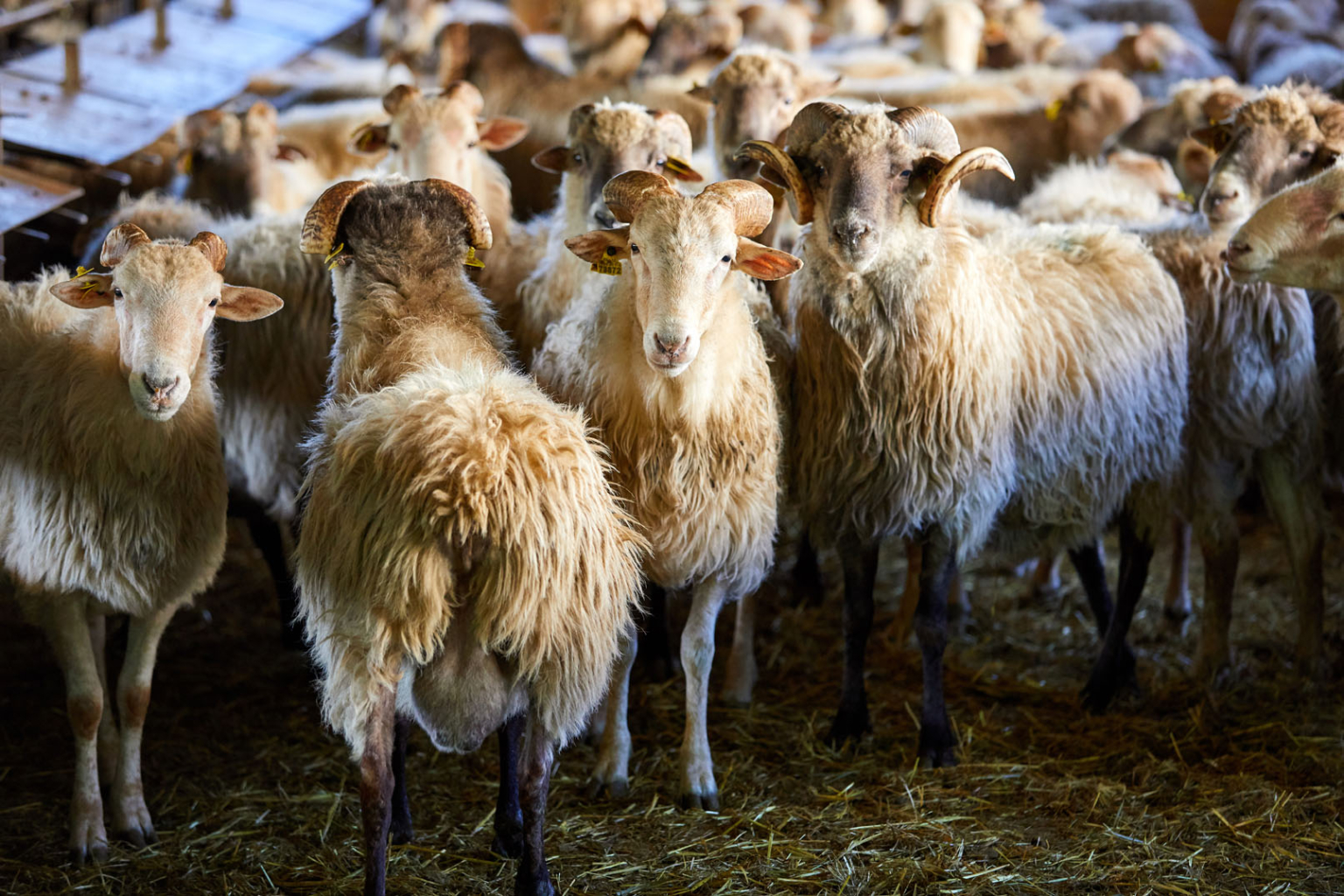


The sheep farming sector has historically played a strategic role, particularly in areas with specific natural constraints such as mountainous, arid and semi-arid regions or areas with complex topography, thanks to its ability to make use of natural and grazing resources and transform them into high-quality food. In this way, it has contributed to the creation and conservation of landscapes and ecosystems, and to the generation of economic activity.
However, the sector is currently facing a particularly critical situation, characterised by uncertain profitability, rising production costs and, in particular, difficulties with generational succession, leading to a loss of flocks and a decline in livestock numbers.
Added to these economic and social challenges is the challenge of climate change, where, on the one hand, efforts must be made to reduce greenhouse gas emissions (although sheep farming is not among the main sources) and, on the other, to adapt to new scenarios.
It is therefore essential to promote measures that simultaneously improve the sector’s economic, social and environmental sustainability, increasing its efficiency and resilience, reducing its emissions and promoting positive impacts (such as biodiversity, carbon sequestration, etc.) for society and the local area.
In this context, NEIKER, in collaboration with the partners of the LIFE Green Sheep project, is pleased to invite you to the closing event of the European LIFE Green Sheep project, with the aim of sharing the project’s key findings and discussing a more sustainable future for the European sheep sector, covering both meat and dairy sheep. This initiative aims to promote sustainability in sheep production by improving efficiency, productivity and competitiveness, and by reducing greenhouse gas emissions through the implementation of more environmentally friendly practices.
- AIMED AT: Livestock farmers, advisers, industry experts, value chain stakeholders, teachers, NGOs, the media and policy-makers.
THE PROGRAMME WILL BE LAUNCHED SHORTLY