NEW
The Basque Country anticipates future EU soil legislation with a pioneering monitoring network
4 December 2025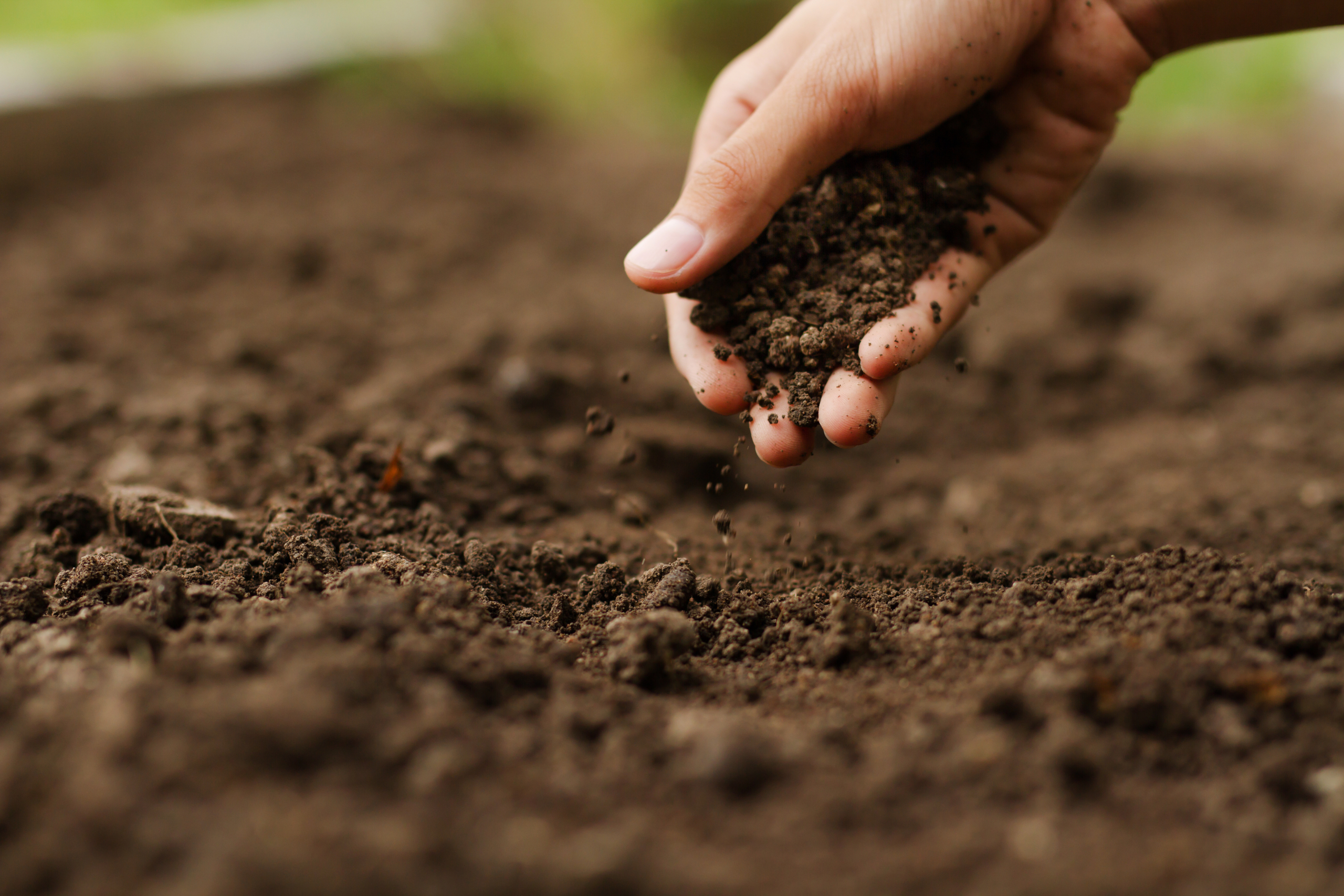
- NEIKER, in collaboration with the OpenGeoHub Foundation, is promoting the design of a network with 400 control points that incorporates DNA analysis techniques to assess biodiversity, surpassing traditional chemical standards.
- On the eve of World Soil Day (5 December), this NEIKER monitoring network highlights the urgency of protecting this essential resource, aligning itself with the UN’s global goals to ensure the health of terrestrial ecosystems.
Soil is an essential resource for food production, biodiversity conservation and the regulation of environmental processes such as the carbon cycle and water storage. However, in Europe, its health is showing signs of deterioration due to erosion, loss of organic matter, diffuse pollution and the intensification of certain uses. Added to this is the lack of consistent and comparable information between regions, which makes it difficult to accurately assess the magnitude of these problems and guide effective sustainable management policies.
In response to this need, the Council of the European Union (EU) has established a common regulatory framework for assessing soil health in all Member States. The new Soil Monitoring Directive defines how sampling points should be selected, which descriptors should be measured and which methodology should be applied to obtain comparable data at European level, with the aim of moving towards a monitoring system capable of providing reliable diagnoses to ensure that all soil ecosystems in the EU are in good health by 2050.
To respond to this challenge and ascertain the actual situation in the Basque Country without waiting for the official transposition of the regulation, NEIKER has taken the initiative by already applying the methodological framework proposed by Brussels. The design of this monitoring network, carried out in 2024 in collaboration with the OpenGeoHub Foundation, has enabled the centre to identify 400 strategically distributed points to capture the regional variability of the Basque Country based on climatic, edaphic and landscape variables.
‘As a first step in this rollout, a pilot sampling was carried out this autumn at 60 points on farmland, mainly cereal crops, vineyards and orchards, validating the methodology in the field thanks to the collaboration of the landowners,’ explains Pilar Merino, head of NEIKER’s Natural Resources Conservation Department.
Biology as an indicator
The main innovation of this regulation, and of the network deployed by the centre, is that soil health is no longer assessed exclusively using physical and chemical parameters, but must now also incorporate biological descriptors.
This approach recognises the crucial role of soil biodiversity, such as bacteria and fungi, which reacts quickly to environmental changes and is responsible for vital functions such as nutrient availability, organic matter decomposition and pollutant degradation.
In order to analyse this hidden biodiversity, NEIKER applies advanced techniques such as amplicon sequencing or metabarcoding, which allows DNA to be extracted and sequenced from soil samples to identify the organisms present, enabling the detection of an immense variety of species that would not be possible to identify using traditional laboratory cultures.
One of the biggest challenges in applying these measurements on a large scale is the lack of standardised methods for assessing biodiversity, unlike traditional physical-chemical analyses, where protocols are more standardised. To address this variability and enable the creation of harmonised data, the centre will participate in a strategic meeting next February at the headquarters of the JRC (Joint Research Centre of the European Commission) in the Italian city of Ispra, where work will be done to agree on a methodology that can subsequently be used at the national level.
A strategic tool for the sector
This monitoring work does not entail any new obligations or administrative burdens for the agricultural sector, as the network is intended to be a support service that will provide continuous and reliable diagnosis of soil evolution in the Basque Country.
‘This information will facilitate evidence-based decision-making, enabling the definition or analysis of the effectiveness of agricultural and rural development policies, climate change mitigation and adaptation, and even human health,’ says Lur Epelde, a researcher at NEIKER’s Department of Natural Resource Conservation.
Furthermore, the data collected by the centre will open up new avenues of research and synergies, such as the possibility of providing information to the working group on persistent synthetic pollutants (PFAS) or the development of projects to monitor antibiotic resistance genes in the environment.