NEW
An antibiotic-free sheep insemination model to enhance health safety on farms
26 February 2026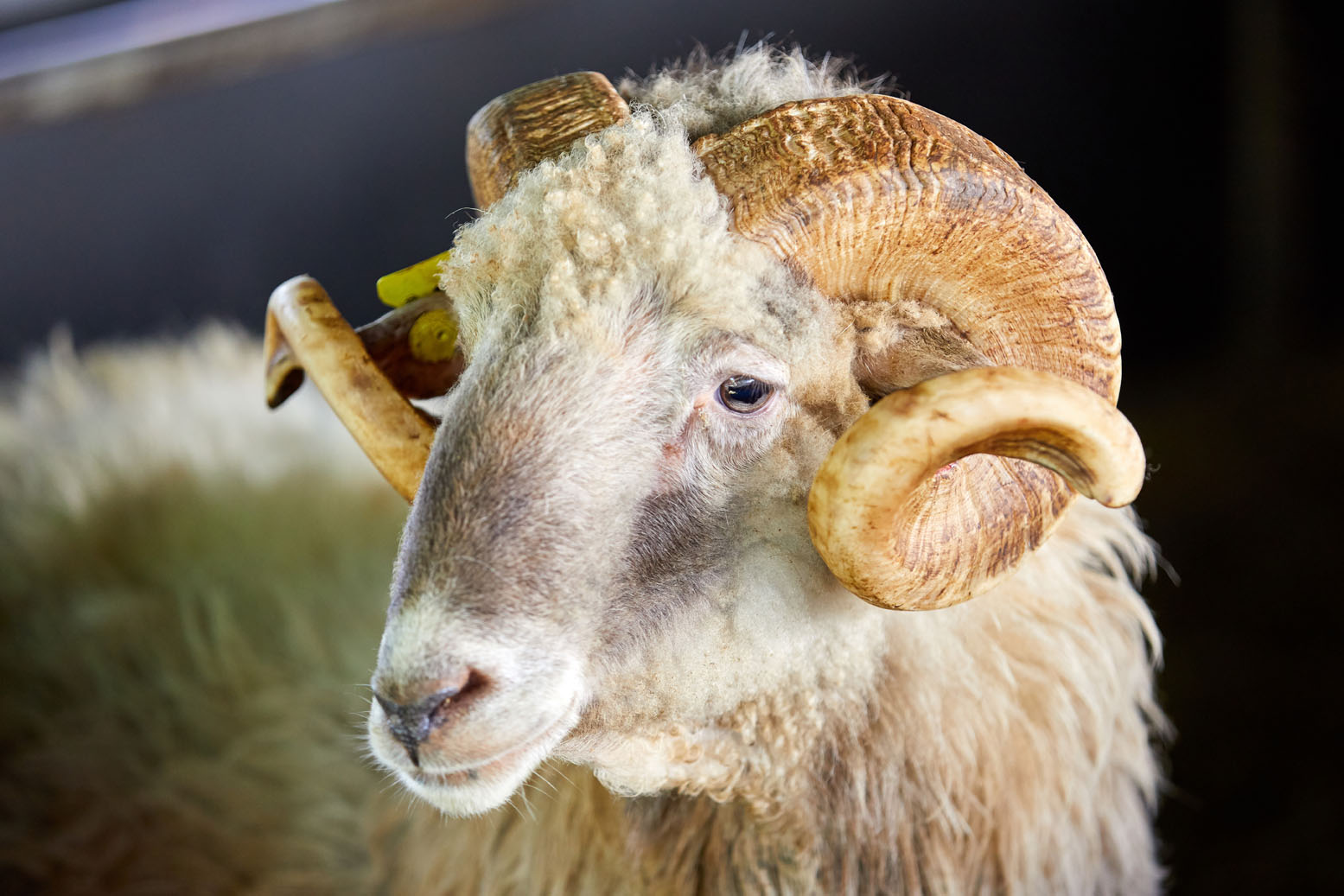
- NEIKER is participating in the cross-border RAM project, which analyses the microbiological quality of semen in artificial insemination centres to identify bacterial resistance.
- Through the use of metagenomic technology, the research provides a map of microorganisms and resistances to design protocols that prevent their arrival on farms.
- The project kick-off meeting, in which experts from Spain and France are collaborating, is taking place this week at the technology centre’s headquarters in Arkaute.
To protect the health of flocks, artificial insemination (AI) centres are currently required by law to add antibiotics to semen doses. This measure aims to prevent the transmission of pathogens from the male to the ewes. However, the recurrent use of these drugs can generate resistant bacteria and spread them throughout farms. If this occurs, veterinary treatments lose their effectiveness, putting animal health, public health and the balance of the environment at risk.
To respond to this challenge, the NEIKER technology centre is participating in the cross-border RAM project. The aim is to analyse the microbiological quality of semen and identify resistances in order to develop a safe insemination model that does not depend on antibiotics and guarantees the health and productivity of farms.
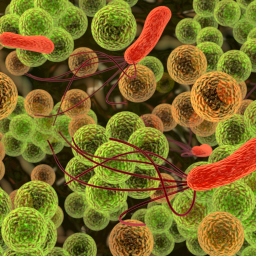
In line with this, the project incorporates the use of metagenomics. ‘This is an advanced genetic analysis technology that allows for the exhaustive identification of the map of microorganisms—bacteria, viruses, and resistance genes—present in the samples, obtaining much more accurate information than with traditional methods,’ explains Ina Beltrán de Heredia, a researcher at NEIKER.
This identification makes it possible to determine which resistant bacteria are present in semen in order to design protocols that prevent them from reaching farms and ensure the effectiveness of veterinary treatments.
Impact on profitability
This identification work has an application in livestock performance. A farm with a protected health status, where treatments remain effective, is an activity with lower production risks.
As the researcher points out, “the analysis of doses seeks to ensure the success of reproductive cycles. By identifying and preventing the presence of resistant bacteria, farmers can expect a higher number of births and ensure that sheep maintain their milk production capacity, which influences the viability of the farm.”
This improvement in efficiency at the local level is reinforced by joint work with selection centres in France and Aragon. Given that health threats and the effects of climate change affect the entire Pyrenean environment, the RAM project establishes common protocols that ensure the protection of native breeds such as Latxa on both sides of the border. This guarantees that the dissemination of genetic improvement is equally safe and competitive.
Technical coordination at Arkaute
As a starting point for this coordination work, the technology centre hosted the project’s kick-off meeting at its headquarters in Arkaute, bringing together the consortium members to define the microbiological characterisation actions to be carried out on both rams and ewes.
The day combines technical sessions with a visit to the Ardiekin facilities to learn first-hand about the operations of the centres responsible for implementing these innovations.
The RAM project is being developed within the framework of the European POCTEFA programme (INTERREG VI-A Spain-France-Andorra Programme), a cross-border cooperation initiative designed to promote sustainable development and competitiveness in the agricultural and livestock sector in the Pyrenees area.