NEW
Four strategic pillars to ensure the viability and quality of the vineyard
28 January 2026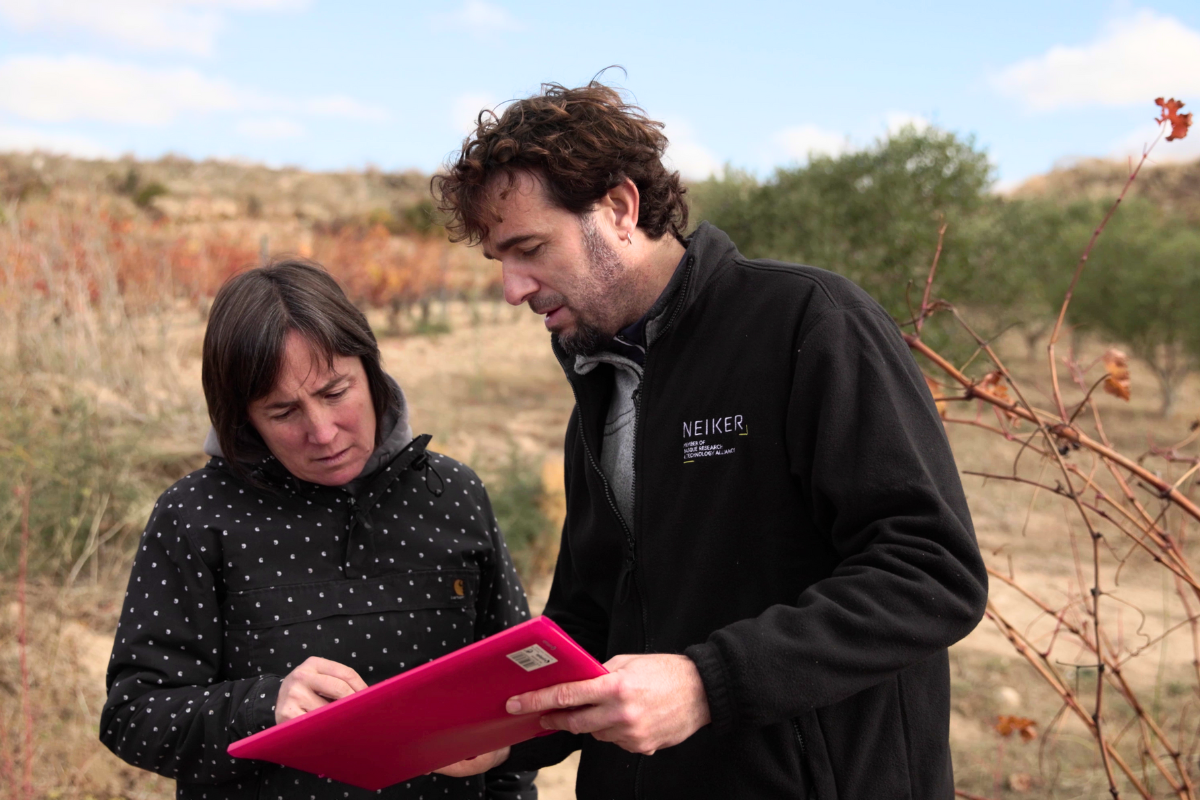
- The NEIKER technology centre promotes solutions to reduce soil erosion and encourage biodiversity in the wine-growing environment.
- The recovery of minority varieties and efficient irrigation management are established as key factors for adaptation.
Viticulture is currently at an unprecedented crossroads. Climate change is no longer a distant threat, but a reality that is altering the daily life of vineyards with rising temperatures, extreme weather events and increasingly demanding water requirements. These factors, combined with traditional challenges such as pest and disease control, directly affect the quantity and quality of grapes, putting the long-term profitability of farms at risk. Against this backdrop, science is positioning itself as an essential ally in ensuring a competitive, sustainable and high-quality wine sector.
Four pillars for viticulture of the future
Roberto Pérez-Parmo, technologist at NEIKER, explains that in order to overcome these challenges, the centre’s strategy is divided into four fundamental strategic areas. In the first, dedicated to soil, the main objective is to ‘minimise the impact on the land in order to reduce erosion and preserve or improve soil health’. With regard to inputs, NEIKER is working to improve pest and disease management in vineyards in order to reduce the use of plant protection products. In terms of the environment, the aim is to promote local biodiversity so that the wine-growing ecosystem ‘has greater capacity and is more resilient to the changes that are coming in this context of climate change’. Finally, the cultivation axis covers various lines, including the recovery of plant material from ‘traditional and minority varieties that have not been recorded for decades,’ as well as the implementation of practices for the optimisation and efficient management of irrigation.
Applied innovation and collaboration with the sector
Climate change is redefining the rules of the game in vineyards, as rising temperatures accelerate ripening and upset the balance between sugars and acidity in grapes. It also increases the vineyard’s need for water. To address this new situation, collaboration between technology centres and winegrowers is key.
An example of this knowledge transfer is the project recently developed in collaboration with Itxaso Compañón, from the El Mozo Wines. A weather station and soil temperature and humidity sensors have been installed in her vineyard to accurately monitor the plants’ needs. ‘All the information obtained from this study will be shared with the irrigation community in order to achieve maximum efficiency in water use,’ say representatives from the winery, emphasising that this control not only optimises water resources, but also leads to a direct improvement in the quality of the final product.
This model of applied R&D&I reinforces NEIKER’s commitment to the wine sector, providing real tools for our producers to remain competitive in an increasingly demanding global market.