NEW
Inoculated biochar: the solution for reducing methane in livestock
26 January 2026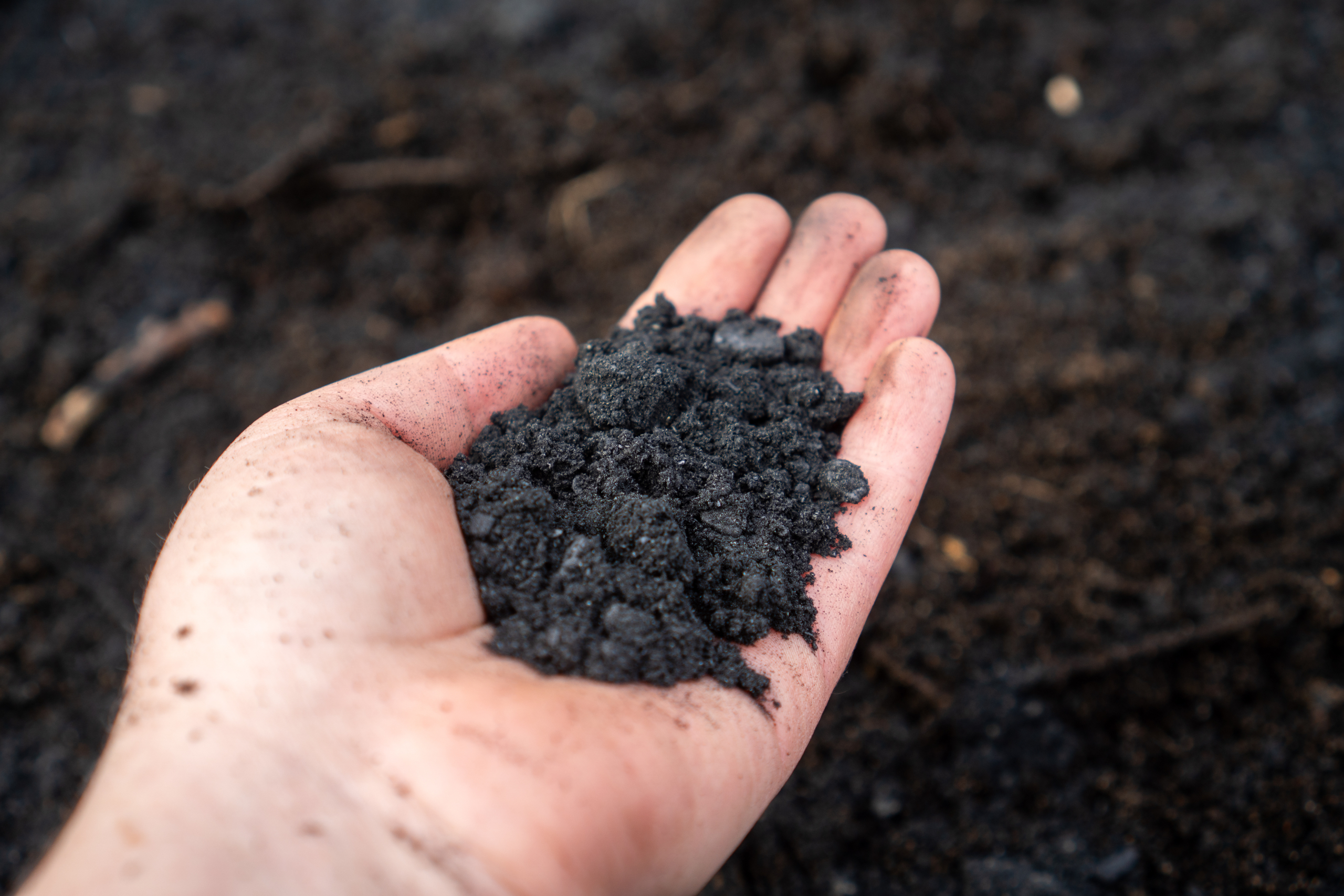
- NEIKER is working on various lines of research to provide the sector with effective tools to meet the international requirement to reduce methane emissions by 30% by 2030.
- The use of charcoal with microorganisms in animal feed reduces methane emissions.
The generation of methane during ruminant digestion is a natural process which, due to its impact on global warming, has become a critical issue for the sustainability of the livestock sector. In light of international regulations requiring a 30% reduction in these emissions by 2030, the NEIKER technology centre is working on various lines of research to validate scientific solutions that will enable the sector to mitigate enteric gases without compromising the profitability of farms.
According to Aser García, principal investigator at NEIKER’s Animal Science Department, the challenge lies in the functioning of the rumen itself. ‘This organ acts as a fermentation tank where, when fermenting fibre, microorganisms generate hydrogen that is subsequently used by methanogenic archaea to form methane,’ he explains, adding that ‘the key is to intervene in this chemical reaction, limiting the formation of hydrogen without harming the animal’s health or digestion.’
Along these lines, the centre has tested the use of biochar (vegetable charcoal) in livestock feed. Trials have shown that adding 2% of this compound to the diet reduces gas emissions by 30% without altering production performance or essential quality parameters such as fat and protein levels.
Focus on reducing daily emissions
Alongside biochar, NEIKER is also evaluating other nutritional strategies, such as the addition of lipids (fats and oils) aimed at reducing fermentation, or the use of specific inhibitors that block methane formation. However, the centre emphasises that the solution is not only technological, but also requires a change in approach.
The sector is facing a paradigm shift in measuring its environmental impact. Until now, the priority was production efficiency (fewer emissions per litre of milk), which favoured intensive systems where cows produce higher volumes of milk. However, the current climate goal is to reduce the net amount of methane in the atmosphere. ‘Intensification may seem effective if we only look at the gram of methane per litre of milk produced, but to meet the new standards we must also look at the total grams emitted per day,’ the researcher points out.
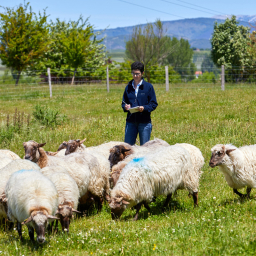
From this new perspective, comparative studies conducted by NEIKER indicate that grazing cows produce lower methane emissions in absolute terms (g/day) than cows kept in stalls, although they also produce less milk. This difference implies that, while stabled systems tend to show lower emission intensity (methane per unit of milk produced), grazing systems are more favourable when the mitigation criterion is based on reducing total daily emissions, highlighting that the assessment of environmental impact depends on the indicator used.
In this context, and in accordance with the criteria established at climate summits, which prioritise the reduction of absolute emissions without allowing an increase in livestock numbers to compensate for production losses, intensification has limitations as a mitigation strategy, whereas grazing would fulfil this approach, albeit at the cost of lower milk production.
Ultimately, effective emissions reduction cannot be achieved through a single isolated intervention, but requires a combination of different strategies capable of reducing absolute emissions without resorting to increasing livestock numbers to compensate for a loss in production. In this context, NEIKER’s activity focuses on the validation and transfer of tools ranging from precision nutrition and the use of additives to genetic improvement and management adaptation, with the aim of reconciling emissions mitigation with the economic viability of farms. ‘The aim is to provide farms with technical solutions to meet decarbonisation targets while maintaining the economic viability of livestock farming,’ concludes García.